
Introduction
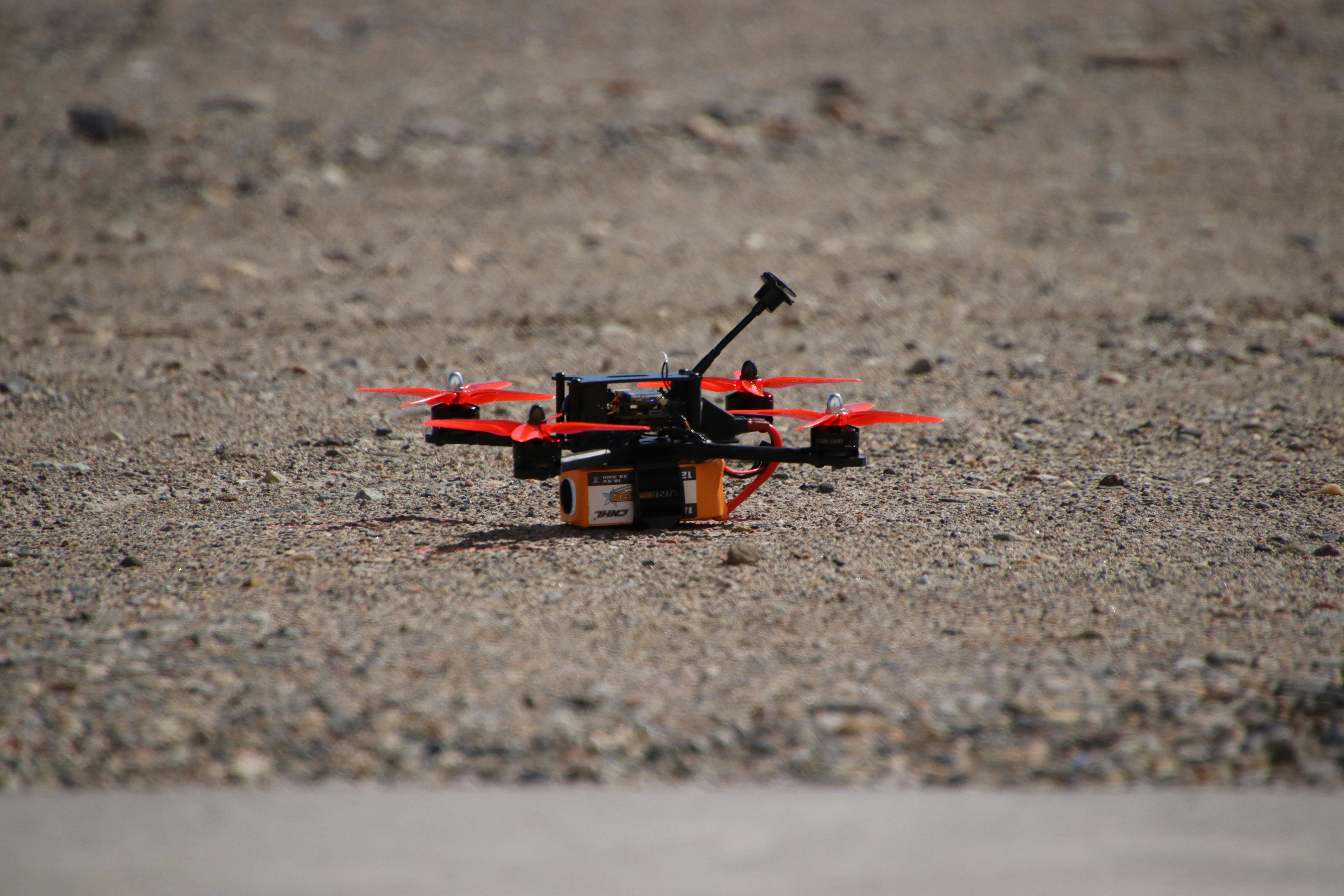
In contemporary military conflicts, the strategic significance of small quadrotor drones has become increasingly pronounced. These unmanned aerial vehicles (UAVs) have transformed the dynamics of warfare, providing tactical advantages that are increasingly necessary in complex combat environments. The emergence of small military drones like the tactical quadcopter has prompted a reevaluation of traditional military approaches, enhancing reconnaissance capabilities and operational efficiency.
With recent conflicts emphasizing the need for agility and precision, professional quadcopter drones are being adopted for various applications including surveillance and intelligence, reconnaissance drone (ISR) missions, and combat support. The rise of intelligent unmanned systems has facilitated the development of low-cost UAV options, making these tools more accessible to military forces across the globe. This democratization of drone technology underscores a shift in military resource allocation, where advanced capabilities can now be deployed at a fraction of the previous costs.
Additionally, the integration of technologies such as AI drone tracking and thermal imaging drones has revolutionized the manner in which aerial reconnaissance is conducted. These modern warfare drones offer superior situational awareness, particularly in environments with challenging visibility, such as night operations complemented by night vision UAV capabilities. Their lightweight uav systems allow for rapid deployment and maneuverability, which traditional assets often lack. Thus, small quadrotor drones have redefined tactical frameworks by enabling rapid intelligence gathering, allowing forces to make informed decisions on the battlefield.
How Recent Global Conflicts Accelerated the Adoption of Small UAVs
In recent years, the landscape of global conflicts has undergone significant changes, which have accelerated the adoption of small quadrotor drones and other unmanned aerial vehicles (UAVs). The ability to conduct reconnaissance and gather intelligence with precision has become imperative for modern military forces, making small military drones, such as tactical quadcopters, invaluable assets. Conflicts in regions such as the Middle East, Eastern Europe, and parts of Africa have highlighted the advantages of low-cost UAVs in both surveillance and combat roles.
For instance, the ongoing tensions in places like Syria and Ukraine have demonstrated how small quadrotor drones can provide real-time situational awareness. Armed forces utilize these lightweight UAV systems to conduct ISR (Intelligence, Surveillance, and Reconnaissance) operations, which are essential for planning strategic movements and engaging targets effectively. The incorporation of features like thermal imaging and night vision capabilities into these reconnaissance drones allows military personnel to operate in various environmental conditions, enhancing their tactical advantages.
The technological evolution of intelligent unmanned systems has also contributed to the proliferation of these small aircraft. As combatants embrace AI drone tracking and other advanced features, they have turned to small UAVs to conduct missions that were once carried out by larger, more expensive aircraft. This shift aligns with the trends in drone warfare, where precision, mobility, and cost-efficiency are critical. Furthermore, the operational benefits of deploying autonomous drones for targeted strikes or surveillance missions have made the small quadrotor drone not just a tool, but a pivotal component of contemporary warfare.
In conclusion, the escalation of global conflicts and the growing reliance on high-tech solutions have played a crucial role in the rapid adoption of small UAVs. Their advantages in affordability, functionality, and adaptability are reshaping military operations and redefining strategies in modern warfare.
Shift from Heavy Military Assets to Lightweight Intelligent Systems
The landscape of modern warfare has undergone significant transformations over the past decade, particularly with the increasing prevalence of small quadrotor drones. These lightweight unmanned aerial vehicles (UAVs) are proving to be formidable alternatives to heavier military assets traditionally used in conflict scenarios. The shift towards these small military drones is primarily driven by changing tactical requirements and the evolving nature of conflicts worldwide.
One of the key factors influencing this transition is the demand for agility and versatility in combat operations. Light and compact, tactical quadcopters can be deployed rapidly, providing immediate intelligence, surveillance, and reconnaissance (ISR) capabilities. This operational flexibility allows military forces to adapt to dynamic conflicts, where traditional heavy assets may be cumbersome and slow to respond. Moreover, the low-cost UAVs are proving to be economically viable, enabling military forces to allocate their resources more effectively.
Additionally, the integration of advanced technologies such as artificial intelligence (AI) drone tracking, thermal imaging, and night vision capabilities has enhanced the effectiveness of lightweight UAV systems. These intelligent unmanned systems can perform around-the-clock surveillance, ensuring that operators have accurate and timely information about enemy movements and conditions on the ground.
The adoption of small quadrotor drones aligns with emerging drone warfare trends, focusing on precision and minimal collateral damage. As conflicts increasingly require quick decision-making in uncertain environments, the lightweight UAV system has emerged as an essential tool in modern military operations. This evolution from heavy military assets to small military drones represents not only a strategic shift but also a response to the immediate demands of warfare, establishing a new paradigm in how conflicts are conducted.
The Cost Advantage of Small Quadrotor Drones
In contemporary military operations, the focus on budget efficiency has brought small quadrotor drones to the forefront as one of the most cost-effective tools available. These unmanned aerial vehicles (UAVs) offer significant savings when compared to traditional manned aircraft and heavier weapon platforms. The economic benefits of adopting small military drones extend to production, deployment, and ongoing operational costs.
The initial cost of a small quadrotor drone is considerably lower than that of larger aerial platforms. For instance, a lightweight UAV system can be developed and deployed with a fraction of the financial investment required for fighter jets or heavy bombers. When considering not just the procurement costs but also the costs associated with training personnel to operate these systems, quadcopters present an economically sound alternative. Their ease of use allows for quicker training cycles, further reducing the financial burden on defense budgets.
Deployment costs also favor small quadrotor drones. Their compact nature allows for straightforward transportation and rapid setup in various operational environments, enabling military forces to respond quickly to emerging threats without incurring extensive logistical expenses. Furthermore, the capability for quick replacement in the event of loss or damage, combined with their affordability, ensures that military units can maintain operational readiness without incurring crippling costs. This is particularly crucial in reconnaissance operations where the ability to gather intelligence via ISR drones is vital yet should not derail financial planning.
In conclusion, the economic advantages of small quadrotor drones cannot be underestimated. As modern warfare evolves, the cost-effectiveness of these tactical quadcopters makes them an appealing option for budget-conscious military operations, ensuring that armed forces can remain agile and well-equipped without compromising financial integrity.
Why Economic Efficiency Now Defines Operational Effectiveness
In contemporary military operations, the economic efficiency of defense technologies has emerged as a pivotal factor in defining operational effectiveness. The advent of small quadrotor drones, typically referred to as quadcopter UAVs, has revolutionized the traditional dynamics of warfare by introducing remarkable cost-effectiveness into combat scenarios. This shift is particularly significant as military operations are increasingly compelled to operate within the frameworks of budget constraints while simultaneously adapting to rapid technological advancements.
Small quadrotor drones, such as tactical quadcopters and lightweight UAV systems, have become indispensable tools for reconnaissance, surveillance, and intelligence gathering. They enable armies to acquire crucial battlefield information at a fraction of the cost associated with larger and more complex aerial systems. For instance, the deployment of a thermal imaging drone or a night vision UAV can yield actionable insights without the financial burden of maintaining a full-sized aircraft. This capability not only enhances decision-making but also fosters a more agile response to emerging threats.
Moreover, the integration of intelligent unmanned systems, such as AI drone tracking and ISR drones, amplifies the operational output of small military drones. This innovation allows military strategists to capitalize on low-cost UAVs for comprehensive situational awareness, further reinforcing their role in modern warfare. As nations strive to maintain security amid fiscal constraints, the economic efficiency offered by small quadrotor drones positions them at the forefront of military strategy.
Consequently, the focus on economic efficiency shapes how military forces allocate resources and prioritize technologies. The ability to harness the power of professional quadcopter drones while adhering to budgetary limits exemplifies the trend of adapting military strategies to the realities of modern warfare. The reliance on economical solutions, such as small military drones, signals a profound transformation in military engagements, underlining how strategic effectiveness is increasingly aligned with fiscal prudence.
Stealth, Mobility, and Flexibility in Complex Environments
Small quadrotor drones, often referred to as tactical quadcopters or lightweight UAV systems, provide distinct advantages in modern warfare scenarios, particularly in terms of stealth and mobility. Their compact size and low-altitude flight capabilities enable them to traverse complex urban, mountainous, and frontline environments with remarkable ease. The design of these small military drones allows them to operate discreetly, minimizing detection by enemy forces, which is essential for successful reconnaissance missions.
The ability to fly at lower altitudes enhances the effectiveness of reconnaissance tasks. Small quadrotor drones can navigate through densely populated urban terrains, avoiding obstacles such as buildings and trees while delivering critical real-time intelligence. This capability is especially important for intelligence, surveillance, and reconnaissance (ISR) operations where maintaining a low profile can significantly improve survival rates for both drone and operator. Their ability to avoid radar detection while collecting valuable data for military tactics is unprecedented.
Moreover, the maneuverability of small quadrotor drones allows them to adapt quickly to dynamic battlefield conditions. In the unpredictable nature of combat, where terrain and target locations can change rapidly, these drones can be deployed swiftly to gather information. Modern warfare drones that integrate advanced technologies such as AI drone tracking and thermal imaging provide unparalleled situational awareness, enabling operators to make informed decisions during operations.
The flexibility of these UAV systems extends beyond reconnaissance. Small military drones equipped with night vision capabilities can be deployed in low-light conditions, further enhancing operational effectiveness. The integration of various advanced technologies into these small quadcopters makes them an indispensable tool in contemporary military strategies, offering solutions for diverse scenarios while ensuring efficiency and effectiveness in conflict engagements.
Persistent Surveillance in All Weather and Lighting Conditions
The implementation of small quadrotor drones in military operations has markedly transformed surveillance practices, introducing a level of persistence that was previously unattainable. These advanced tactical quadcopters are equipped with sophisticated imaging technologies designed to enhance situational awareness across a range of environmental conditions. Their capabilities allow them to operate effectively during the day and at night, making them invaluable for reconnaissance missions.
One of the standout features of these small military drones is their capacity for low-light operations. Utilizing technologies such as thermal imaging and night vision, these drones can detect heat signatures and gather crucial intelligence, even in total darkness. The thermal imaging drone capabilities enable them to identify targets while also providing operators with the ability to monitor activities in varying weather conditions where visibility may be compromised. This adaptability underscores the strategic advantage of deploying lightweight UAV systems in modern warfare.
Moreover, advancements in AI drone tracking further enhance their functionality, facilitating real-time data collection and analysis. ISR (Intelligence, Surveillance, and Reconnaissance) drones can relay imagery and video feedback instantaneously, allowing commanders to make informed decisions in the field. The integration of these intelligent unmanned systems not only reduces the risk to personnel but also improves operational efficiency. The combination of professional quadcopter drones equipped with high-precision sensors ensures that military forces can maintain a continuous watch over strategic positions.
In summary, the persistent surveillance capabilities of small quadrotor drones, bolstered by modern imaging technologies, play a critical role in contemporary tactical scenarios. Their ability to operate in diverse lighting and environmental conditions significantly enhances situational awareness, proving them to be a cost-effective and reliable tool in the evolving landscape of drone warfare trends.
AI-Powered Intelligence and Autonomous Tracking
The integration of artificial intelligence (AI) into small quadrotor drones has revolutionized their operational capabilities in modern warfare. These advancements have enhanced the targeting and tracking abilities of quadcopter UAVs, significantly improving their effectiveness as reconnaissance drones and ISR (Intelligence, Surveillance, Reconnaissance) systems. With AI algorithms, these lightweight UAV systems can analyze vast amounts of data in real-time, allowing for precise decision-making and immediate actionable intelligence.
One of the primary benefits of AI-powered intelligence is the reduction in operator workload. Operators are no longer required to painstakingly track targets manually, as the drones equipped with AI can perform autonomous tracking of subjects and predict their movements. This allows operators to focus on more strategic decisions rather than getting bogged down in real-time operations. Furthermore, this autonomy enhances the tactical quadcopter’s efficacy in complex environments, where quick decision-making is essential for mission success.
Moreover, the integration of AI into small military drones also facilitates powerful capabilities such as AI drone tracking, which leverages machine learning to continuously improve the accuracy and efficiency in identifying targets. Coupled with advanced thermal imaging and night vision technology, AI-driven drones are adept at monitoring and engaging in hostile environments under various conditions. The combination of these technologies positions modern warfare drones at the forefront of military operations, offering a competitive edge in intelligence gathering.
As military organizations adopt intelligent unmanned systems for a broader range of applications, the potential of autonomous small quadrotor drones will only continue to grow. With low cost UAVs being increasingly capable, they are set to transform traditional approaches to combat and surveillance, highlighting the importance of integrating advanced technologies into military strategies.
Future Warfare Trends: Smaller, Smarter, More Economical
The landscape of modern warfare is significantly shifting towards the use of small quadrotor drones, revolutionizing traditional military strategies. As conflicts grow increasingly complex, the demand for compact and agile unmanned systems is on the rise. These lightweight UAVs, often leveraging artificial intelligence, are designed for diverse roles ranging from reconnaissance to direct engagement, reflecting a broader trend in military technology towards decentralization and operational efficiency.
One of the primary advantages of employing small military drones is their ability to conduct intelligence, surveillance, and reconnaissance (ISR) missions with remarkable precision. The integration of advanced features such as thermal imaging and night vision capabilities enhances their effectiveness in various environments. As a result, tactical quadcopters equipped with these technologies provide crucial battlefield insights, enabling strategic decision-making based on real-time data.
Moreover, the advent of intelligent unmanned systems demonstrates the shift towards smarter solutions in warfare. AI drone tracking is becoming commonplace, allowing military personnel to monitor and engage threats with increased accuracy. The deployment of low-cost UAVs reduces logistical burdens while maintaining high operational effectiveness, making them a cost-efficient choice in both urban and rural conflict scenarios. In this regard, the evolution of professional quadcopter drones illustrates a future where economic considerations align with military effectiveness.
Furthermore, as drone warfare trends evolve, the emphasis is increasingly placed on intelligence over sheer firepower. Smaller, more maneuverable platforms allow for a greater diversity of applications, potentially transforming the entire approach to combat. Military strategists now recognize the role of reconnaissance drones not only as surveillance tools but also as critical assets in reducing collateral damage, thus aligning with modern warfare’s ethical considerations.
Conclusion: Small Quadrotor Drones as a Strategic Necessity
In the contemporary landscape of warfare, small quadrotor drones have emerged as a pivotal asset for military operations. These lightweight UAV systems, often classified as recon drones or tactical quadcopters, have transformed the battlefield through their remarkable cost efficiency and versatility. Unlike traditional military assets, the deployment of small military drones enables forces to conduct surveillance and reconnaissance at a fraction of the cost. This low cost UAV option makes them accessible to a broader range of operations, allowing for uniform deployment in various conflict scenarios.
The advent of AI-driven drone tracking technologies significantly enhances the capabilities of quadcopter UAVs. These intelligent unmanned systems can efficiently gather data through thermal imaging and night vision capabilities, allowing for superior situational awareness even in challenging environments. Their ability to provide real-time intelligence (ISR) plays a crucial role in modern warfare, aiding commanders in making informed decisions based on actionable insights.
Furthermore, small quadrotor drones are increasingly being integrated into joint tactical operations, highlighting their effectiveness in supporting ground forces. Their compact size and maneuverability allow them to operate in urban settings where larger drones may struggle, thus redefining the parameters of drone warfare trends. As military conflicts evolve, the role of these professional quadcopter drones appears to be not merely supplementary but essential for future operational success.
Looking ahead, the reliance on small quadrotor drones is anticipated to grow as military strategists continue to leverage their unique capabilities. Their effectiveness in providing critical reconnaissance and intelligence, coupled with affordability and adaptability, positions them as strategic necessities in security operations, sustaining their relevance in the ever-evolving theater of modern warfare.