
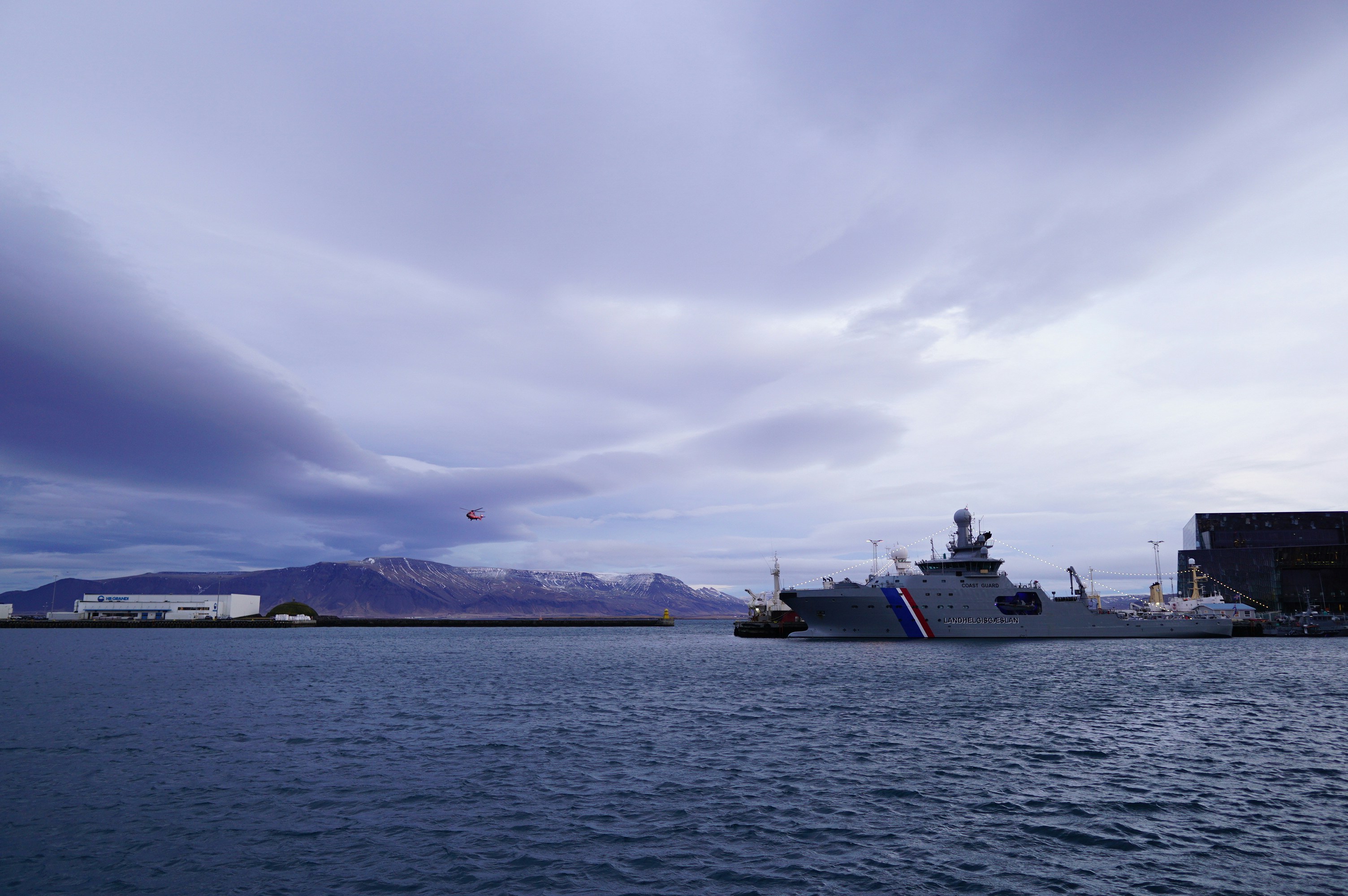
Introduction to UAVs in Maritime Operations
Unmanned Aerial Vehicles (UAVs) have increasingly become integral to maritime operations, especially in the contexts of coastal surveillance, naval reconnaissance, and long-endurance missions. These versatile systems provide unprecedented capabilities in ocean surveillance, enhancing situational awareness for various stakeholders engaged in maritime activities. Employing different types of UAVs, such as fixed-wing maritime drones and vertical take-off and landing (VTOL) coastal UAVs, allows for comprehensive monitoring of vast areas including exclusive economic zones and expansive coastal regions.
The challenges of maritime surveillance are considerable. The vastness of the oceans and extensive coastlines pose significant difficulties in effectively overseeing activities. These challenges include detecting illegal fishing, piracy, and environmental hazards. Traditional methods may often fall short in achieving the level of detail and timeliness required, making UAVs a vital component of modern maritime ISR systems. Moreover, their operational flexibility allows for deployment in diverse scenarios ranging from anti-smuggling initiatives to offshore monitoring.
Utilizing maritime patrol UAVs, organizations can conduct reconnaissance missions that would otherwise require extensive personnel or surface vessels, thereby reducing costs and increasing efficiency. Coastal surveillance drones are particularly effective in performing tasks such as area inspections and real-time data collection, which are essential for law enforcement and environmental protection agencies. With their ability to remain airborne for extended periods, long endurance maritime drones are particularly suited for persistent monitoring and rapid response scenarios.
In summary, UAVs are transforming the landscape of maritime operations, providing innovative solutions to overcome traditional surveillance challenges. Their integration into maritime patrol missions not only enhances operational efficiency but also optimizes resource utilization to address pressing maritime security issues.
Operational Advantages of Fixed-Wing Drones and VTOL Systems
The implementation of long-endurance fixed-wing drones and vertical takeoff and landing (VTOL) systems has proven vital for coastal monitoring and maritime surveillance tasks. These UAV types offer unique operational advantages that enhance the efficiency and overall effectiveness of maritime patrol missions. Fixed-wing drones, known for their aerodynamic design, can cover vast areas with minimal energy consumption, making them excellent for extensive offshore monitoring tasks. Their long endurance allows for continuous operation over extended periods, ensuring thorough surveillance capabilities.
Moreover, the operational ranges of these drones significantly amplify their utility in maritime ISR (Intelligence, Surveillance, Reconnaissance) missions. With the ability to fly at high altitudes and maintain stable flight at considerable distances from the operator, fixed-wing maritime drones can gather crucial data on coastal and oceanic activities, therefore improving situational awareness. These attributes are especially beneficial in anti-smuggling operations, where the timely capture of suspicious activities can lead to effective interdictions.
On the other hand, VTOL coastal UAVs incorporate advanced design features that enable them to land and take off vertically, thereby eliminating the need for runways. This capability allows them to be deployed rapidly from areas with limited infrastructure, enhancing response times during critical scenarios. Whether utilized for protecting offshore facilities or conducting routine coastal surveillance, the flexibility that VTOL systems provide makes them indispensable for naval reconnaissance operations. Their agility and operational adaptability enable rapid shifts in focus, allowing authorities to respond to emerging threats swiftly.
Ultimately, the integration of fixed-wing and VTOL drone systems into maritime operations not only fortifies maritime security efforts but also contributes to a more comprehensive and proactive approach to coastal surveillance.
Key Features for Effective Maritime Surveillance
Maritime patrol UAVs are increasingly employed for coastal surveillance, providing critical capabilities that enhance situational awareness and operational efficiency. To achieve these objectives, various features are instrumental in defining the effectiveness of these unmanned aerial vehicles.
One of the primary considerations is the airframe material; UAVs designed for maritime tasks must be corrosion-resistant to withstand harsh marine environments. This characteristic not only prolongs the operational life of the drone but also ensures that it can perform consistently over extended periods. An effective offshore monitoring drone needs to be robust, especially when subjected to exposure from saltwater and humidity.
Another critical feature of a maritime ISR system is the integration of satellite communication links. These links provide real-time data transmission capabilities, crucial for effective naval reconnaissance. By facilitating uninterrupted connectivity, satellite communications enable maritime patrol UAVs to relay vital information back to operational command and control centers, thus enhancing decision-making processes while on mission.
Advanced maritime radar systems are also integral to these UAVs, allowing for precise vessel detection across vast ocean territories. Coupled with thermal imaging capabilities, these features enable long endurance maritime drones to execute surveillance tasks efficiently, both during the day and night. The combination of these technologies enhances the probability of successfully identifying activities such as illegal fishing or smuggling, where visibility may be compromised.
Ultimately, the integration of these features supports a comprehensive operational framework for anti-smuggling UAV missions. As maritime threats evolve, so too must the capabilities of fixed wing maritime drones and VTOL coastal UAVs. With ongoing advancements in technology, the future of maritime surveillance looks promising, poised to deliver even greater effectiveness in safeguarding our coastal regions.
Procurement Considerations and Operational Deployment
When considering the procurement of UAV systems for maritime operations, several critical factors must be attentively evaluated to optimize operational efficiency. Key among these factors is flight endurance. A long endurance maritime drone is essential for extended coastal surveillance missions, as it allows operators to monitor vast ocean expanses without frequent re-deployment. A robust flight time increases the effectiveness of maritime ISR (Intelligence, Surveillance, and Reconnaissance) operations, especially relevant in the context of combatting illicit activities such as smuggling and illegal fishing.
Another pivotal consideration is sensor range. The efficacy of a coastal surveillance drone is heavily reliant on its onboard sensor capabilities. Advanced imaging and real-time data transmission capabilities will enhance reconnaissance efforts, making it easier to detect anomalous activities and respond rapidly. Furthermore, the ability to operate under various environmental conditions necessitates that UAV systems be weather-resistant. Deploying a naval reconnaissance UAV equipped with the resilience to function in adverse weather enhances mission success rates.
Integrating UAV systems with existing naval command structures is yet another essential aspect to consider during procurement. This integration maximizes situational awareness and operational coherence, allowing for seamless communication and information sharing. In scenarios such as search-and-rescue missions, where time is of the essence, effective integration ensures that the offshore monitoring drone delivers actionable data promptly.
Ultimately, understanding the capabilities of a fixed-wing maritime drone or a VTOL coastal UAV—and how these can augment operational mandates in anti-smuggling, surveillance, and reconnaissance—will direct procurement strategies effectively. Through careful consideration of these factors, agencies can enhance their operational readiness and responsiveness in maritime domains.