
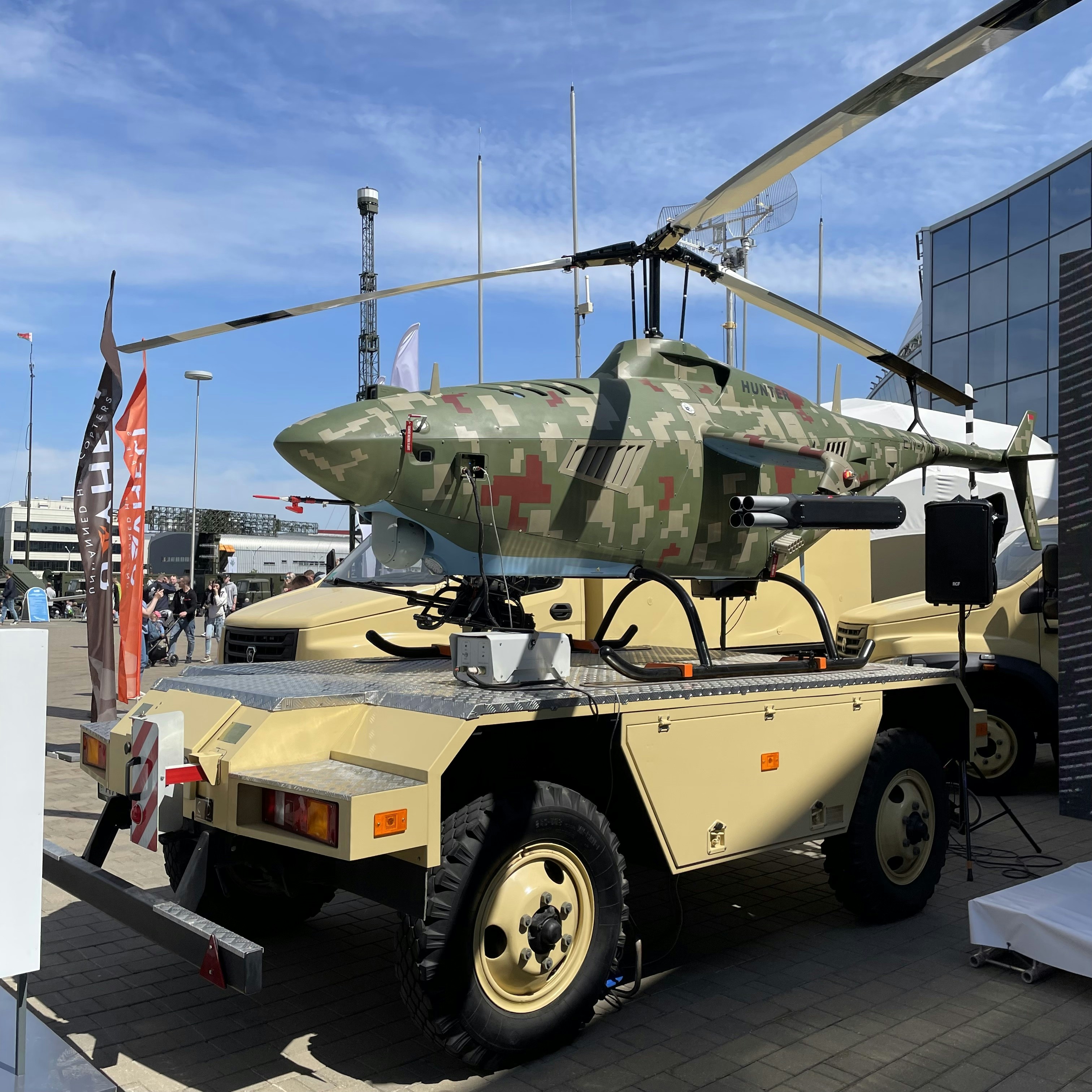
Understanding Drone Swarms: The New Age of Intelligent Systems
Drone swarms represent a groundbreaking advancement in unmanned systems, characterized by the coordinated movement and autonomous operation of multiple drones. This innovative technology relies heavily on swarm intelligence algorithms that enable the efficient distribution of tasks across a fleet of drones, allowing for enhanced operational capabilities in various fields. A crucial aspect of drone swarm technology is the ability to maintain real-time communication among drones, facilitating data sharing and collaborative decision-making as they execute their missions.
At the core of drone swarm operations is the principle of multi-drone coordination. Each drone in a swarm can communicate with others in real time, which allows them to collectively avoid obstacles and adapt their flight paths dynamically. This decentralized approach not only improves efficiency and safety during operations but also reduces the cognitive load on individual units, as they become part of a larger intelligent system. Applications span diverse domains, including smart agriculture, where drones can work together to monitor crops, optimize resource use, and enhance yields.
Moreover, the military sector has harnessed drone swarms for reconnaissance, surveillance, and logistical support, enabling rapid deployment and coordinated strikes in complex environments. In disaster management, swarms are invaluable for environmental monitoring and assessment, assisting in recovery efforts by delivering critical supplies and gathering real-time data in affected areas.
Challenges remain, particularly in ensuring reliable communication and precise navigation under all conditions. However, the exploration of next-generation technologies, such as 5G and 6G drones, combined with edge computing, promises to elevate the capabilities of drone swarms significantly. These advancements will ultimately lead to greater effectiveness in aerial logistics, environmental monitoring, and beyond, paving the way for a new age of intelligent systems powered by drone swarm technology.
Key Technologies Enabling Drone Swarms
The evolution of drone swarm capabilities is largely attributable to several core technologies that underpin their functionality. At the heart of a drone swarm is the implementation of swarm intelligence algorithms. These algorithms enable effective decision-making and task allocation, allowing multiple drones to work collaboratively towards a common objective. By mimicking the behavior seen in nature, these algorithms facilitate coordinated actions among autonomous drones, resulting in enhanced operational efficiency.
Equally important to the success of multi-drone coordination is the integration of distributed positioning and navigation systems. Such systems ensure that each drone can accurately determine its position and adjust its flight path accordingly. This precision is critical, particularly for applications in smart agriculture drones and environmental monitoring drones, where accurate data collection is imperative. These systems often rely on the accuracy of 5G drones and the emerging 6G drones, which promise lower latency and improved navigational capabilities, thereby supporting more intricate operational tasks.
Robust wireless communication networks are essential for the seamless connectivity required in drone swarm operations. With real-time communication between drones, information can be shared instantaneously, which is vital for maintaining the formation flight of the swarm and reacting promptly to environmental changes. Moreover, edge computing plays a significant role by processing data locally, minimizing delays, and enabling immediate responses to obstacles through autonomous obstacle avoidance technologies. This level of responsiveness and data processing heightens the safety and efficacy of drone operations.
Finally, real-time data fusion and perception are crucial for enhancing the functionality of drone swarms. By integrating various data streams, drones can maintain high situational awareness, essential for efficient task execution and ensuring that any potential faults are managed effectively. Together, these technologies not only enhance the capabilities of drone swarms but also address the inherent drone swarm challenges of reliability and operational efficiency in unmanned systems development.
Challenges in Deploying Drone Swarms
The deployment of drone swarms presents an array of practical challenges that can affect their operational efficiency. One of the primary issues faced is communication interference. As multiple drones operate simultaneously, the risk of signal disruption increases, particularly in environments with high levels of electromagnetic interference. This poses a significant challenge to maintaining real-time communication, which is crucial for effective multi-drone coordination. Ensuring that communication channels remain clear is vital for the success of swarm intelligence algorithms, which rely on continuous data exchange among drones for optimal decision-making.
Another challenge is energy consumption and endurance. Drone swarms typically consist of multiple unmanned systems, and in enhancing formation flight, energy demands can escalate rapidly. Efficient energy management is essential to prolonging the operational time of drone swarms, especially in missions such as smart agriculture drones or environmental monitoring drones, where long-duration flights are required. Innovations in battery technology and energy awareness protocols are critical to address these concerns.
The optimization of flight formations poses additional complexities, especially when adapting to varied missions like aerial logistics or search-and-rescue operations. Different missions may require different flight patterns or behaviors, necessitating robust algorithms capable of swift adaptations. Moreover, autonomous obstacle avoidance systems must operate effectively to navigate and avoid hazards in dynamic environments. To mitigate these challenges, researchers are exploring advanced solutions that integrate edge computing, allowing for swift processing and responses, thereby enhancing the capabilities of 5G and 6G drones.
In summary, while drone swarm technology holds significant potential, the challenges related to communication interference, energy demands, and operational flexibility must be effectively addressed to fully realize their capabilities in real-world applications. Continuous advancements in these areas will be essential for the successful deployment of drone swarms across various sectors.
The Future of Drone Swarms: Innovations and Implications
The future of drone swarms is poised for remarkable advancements driven by innovations in technology and increased connectivity. One key area of development is the integration of edge computing, which enables drones to process data locally, significantly enhancing their responsiveness and decision-making capabilities. This allows for real-time communication among multiple drones, fostering multi-drone coordination essential for dynamic mission execution. As industries increasingly adopt swarm intelligence algorithms, drones will become more adept at executing complex tasks through distributed navigation and autonomous obstacle avoidance mechanisms.
The advent of 5G and 6G technologies will further revolutionize drone operations by providing the bandwidth and low-latency communication required for seamless swarm operations. Such advancements promise enhanced drone swarm capabilities, particularly in applications like smart agriculture drones and environmental monitoring drones, where real-time data transfer can lead to better resource management and environmental oversight. The potential for aerial logistics also stands to benefit, as faster data processing can optimize delivery routes and improve overall efficiency.
Moreover, the incorporation of AI reinforcement learning allows drone swarms to learn from their environment and adapt their strategies based on real-time data. This flexibility can be critical in scenarios requiring immediate responses, such as disaster relief operations or urban crowd management. As these technologies converge, the implications for industries like smart defense and urban intelligence become significant; drone swarms may redefine operational strategies, making them more nimble and responsive to changing conditions.
In essence, the continued evolution of drone swarm technology, driven by advancements in edge computing and connectivity, will shape various sectors and pave the way for new applications, ultimately leading to more adaptive and efficient systems. The challenges inherent in integrating these technologies will need to be addressed; however, the potential benefits underscore a transformative era ahead for unmanned systems development.