
The Evolution of Drones in Military Operations
The journey of military drones, known as unmanned aerial vehicles (UAVs), began in the early 20th century, primarily serving reconnaissance roles. Initial developments included the Kettering Bug of World War I, which laid the groundwork for future military drone technologies, although it did not see combat deployment. The real turning point for drones emerged during the Vietnam War, when the U.S. utilized the Ryan Firebee for reconnaissance missions. This marked a significant shift towards recognition of drones as viable assets in military operations.
By the late 20th century, with advancements in electronics and aviation technology, the capabilities of military drones greatly expanded. Drones evolved from simplistic designs into sophisticated autonomous systems equipped with advanced sensor technologies. The introduction of the MQ-1 Predator in the 1990s exemplified this evolution, showcasing the ability to not only gather intelligence but also conduct targeted strikes, thereby transforming military engagements.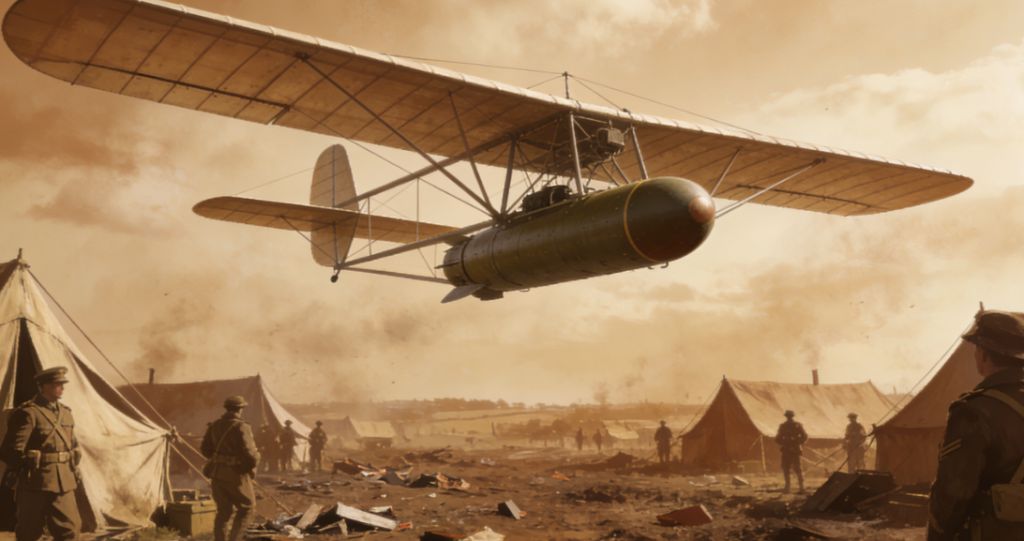
Technological advancements, particularly in artificial intelligence, have paved the way for an era of intelligent reconnaissance and enhanced operational efficiencies. The integration of ai military UAV technology is leading to the development of autonomous drone systems that can operate independently. These systems have become essential elements in modern warfare, particularly in counter-terrorism efforts where precision and real-time intelligence are paramount.
Moreover, the rise of drone swarm technology has opened a promising frontier for future warfare strategies. The ability of multiple drones to operate collaboratively enhances situational awareness and delivers formidable offensive capabilities. As militaries around the world increasingly integrate unmanned combat systems into their strategies, the acceptance of drones as an indispensable component of military operations has reached unprecedented levels. The trajectory of drone development indicates a path of continuous innovation, shaping the landscape of future warfare.
Artificial Intelligence and Autonomous Warfare: A New Era
The integration of artificial intelligence (AI) into military drone technology marks a significant advance in unmanned warfare. AI enhances the capabilities of unmanned combat systems, allowing them to perform complex tasks such as intelligent reconnaissance and target identification with increased efficiency. By employing sophisticated algorithms and machine learning techniques, these autonomous drone systems can process vast amounts of data in real-time, improving situational awareness on the battlefield.
In contemporary military operations, the ability to swiftly identify and categorize threats is crucial. AI military UAVs leverage their advanced processing capabilities to recognize patterns in data, thus enabling precise target acquisition and minimizing collateral damage. This enhanced target identification is particularly beneficial in dynamic combat environments where the distinction between combatants and non-combatants can be blurred.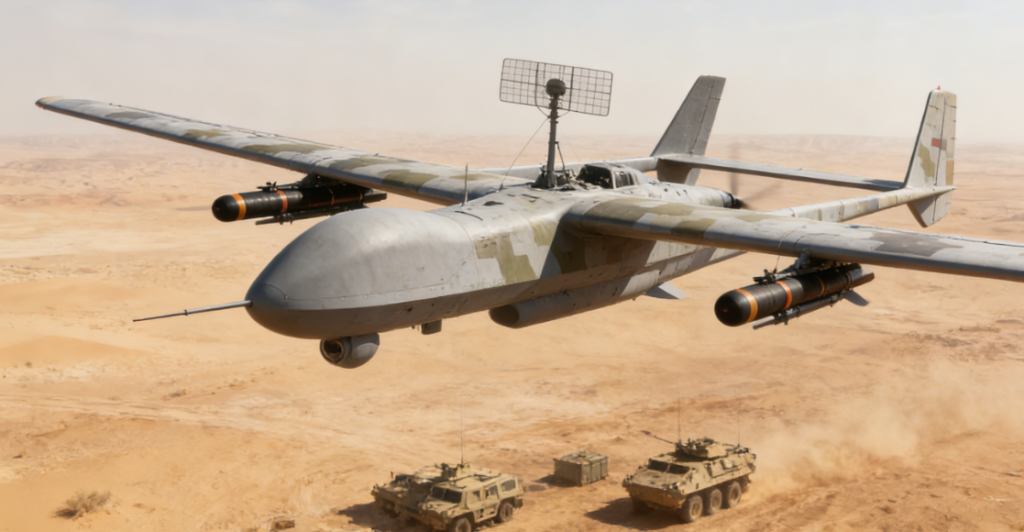
However, the rise of autonomous engagement raises critical ethical and operational questions. As military technology evolves with drone swarm technology and other autonomous systems, the potential for machines to make life-and-death decisions without human intervention presents a new frontier in warfare. The delegation of critical decision-making to AI could lead to reduced accountability and unforeseen consequences, pressing military organizations to evaluate the implications of such autonomy.
In addition to tactical advantages, AI systems can significantly streamline military operations by optimizing logistical processes and enhancing decision-making. For instance, AI-driven analytics can support commanders by predicting enemy movements or identifying strategic opportunities. As such, the future warfare technology landscape is increasingly characterized by the integration of intelligent machines capable of performing tasks once reserved for human operators.
Ultimately, while the implementation of AI in military drones holds great promise for enhancing operational effectiveness, it also demands careful consideration of the ethical frameworks governing their use in conflict. The balance between leveraging technological advancements and maintaining human oversight remains a persistent challenge as we enter this new era of warfare.
Swarm Robotics: The Future of Military Strategy
Swarm robotics represents a revolutionary approach to military strategy, leveraging the capabilities of multiple unmanned aerial vehicles (UAVs) operating cooperatively in coordinated actions. This concept draws inspiration from natural phenomena such as flocks of birds or schools of fish, where individual units work together to achieve a common goal. The deployment of swarm technology in military settings offers significant advantages for both offensive and defensive maneuvers.
In modern warfare, the integration of swarm robotics can greatly enhance the effectiveness of military drone operations. By employing a coordinated swarm of drones, armed forces can overwhelm enemy defenses, conduct extensive reconnaissance, and execute precision strikes with remarkable efficiency. The ability to deploy numerous smaller, autonomous drone systems creates a dynamic battlefield environment, facilitating tactical flexibility and rapid adaptability to changing conditions.
Moreover, drone swarm technology can be instrumental in intelligence gathering and surveillance missions. With dozens of military drones collecting data simultaneously, military strategists can obtain real-time insights into enemy positions, movements, and capabilities, thereby enhancing decision-making processes. As these systems analyze vast amounts of information, they can identify patterns and threats, resulting in more informed tactical responses.
The implications of swarm robotics for modern military engagements extend beyond mere operational capabilities. As militaries around the world continue to invest in AI military UAVs and other unmanned combat systems, the emphasis on tactical approaches that prioritize swarm intelligence will likely shape the future of warfare. The ability for autonomous drone systems to work in unison not only improves combat effectiveness but also reduces the risk to human personnel, marking a significant shift in military strategy.
The Shift Toward Network-Centric Warfare and Collaboration
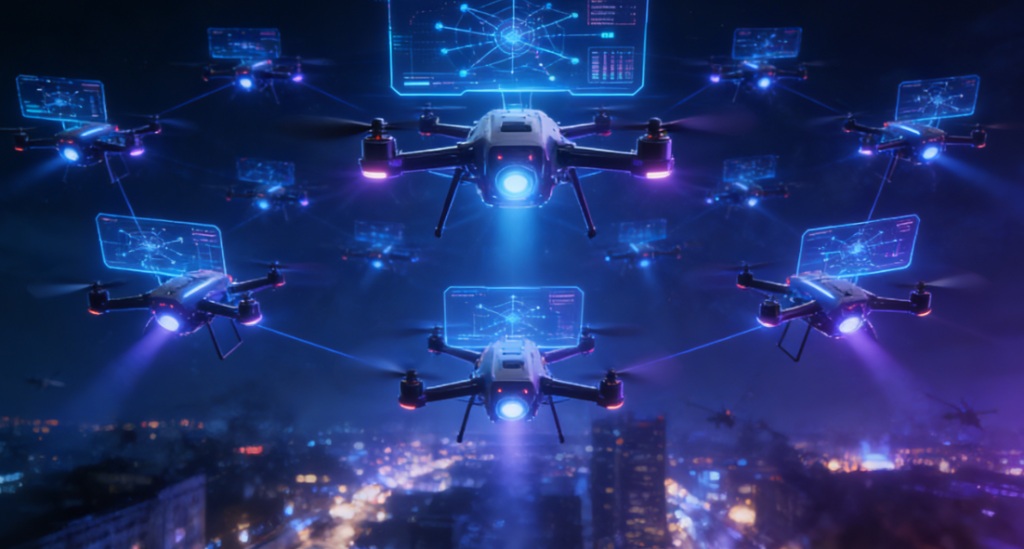
The landscape of military operations is rapidly evolving toward a network-centric warfare framework. This strategic shift emphasizes the creation of a unified system composed of interconnected military assets, thereby enhancing situational awareness and strengthening decision-making capabilities. By adopting network-centric warfare strategies, armed forces can leverage data from a wide range of platforms—including military drones and unmanned combat systems—to respond efficiently to threats and operational challenges.
At the heart of this transformation is the integration of autonomous drone systems and artificial intelligence (AI) within military operations. AI military UAVs, for example, can perform complex tasks such as intelligent reconnaissance with a high degree of accuracy while operating independently or alongside human operators. The capability of these systems to gather data and disseminate it in real-time allows for informed command decisions, enhancing the effectiveness of military engagements.
Moreover, the collaboration among different military branches through unmanned warfare has demonstrated substantial advantages. For instance, drone swarm technology enables multiple unmanned aerial vehicles to operate together, sharing data and coordinating actions without direct human intervention. This collective effort fosters operational synergy, enabling branches to engage targets with increased precision and reduced risk to human life.
The development of future warfare technology is placing a significant emphasis on sound integration and interoperability between human soldiers and robotic systems. As military organizations invest in these transformative solutions, they anticipate not just enhanced capabilities, but a paradigm shift in warfare itself. The goal of seamless collaboration—where machines assist, augment, and operate alongside humans—promises to redefine combat readiness and effectiveness in an ever-evolving battlefield.