The Importance of UAV Payload Stability
When it comes to high-precision aerial sensing, the stability of the uav payload stability is paramount. It directly affects both image quality and measurement accuracy, making it a critical component in mission-critical UAV systems. Without proper stabilization, the data collected during long-range zoom missions can easily turn into a blurry mess—much like trying to take a picture while riding a roller coaster!
How Gimbal Stabilization Works
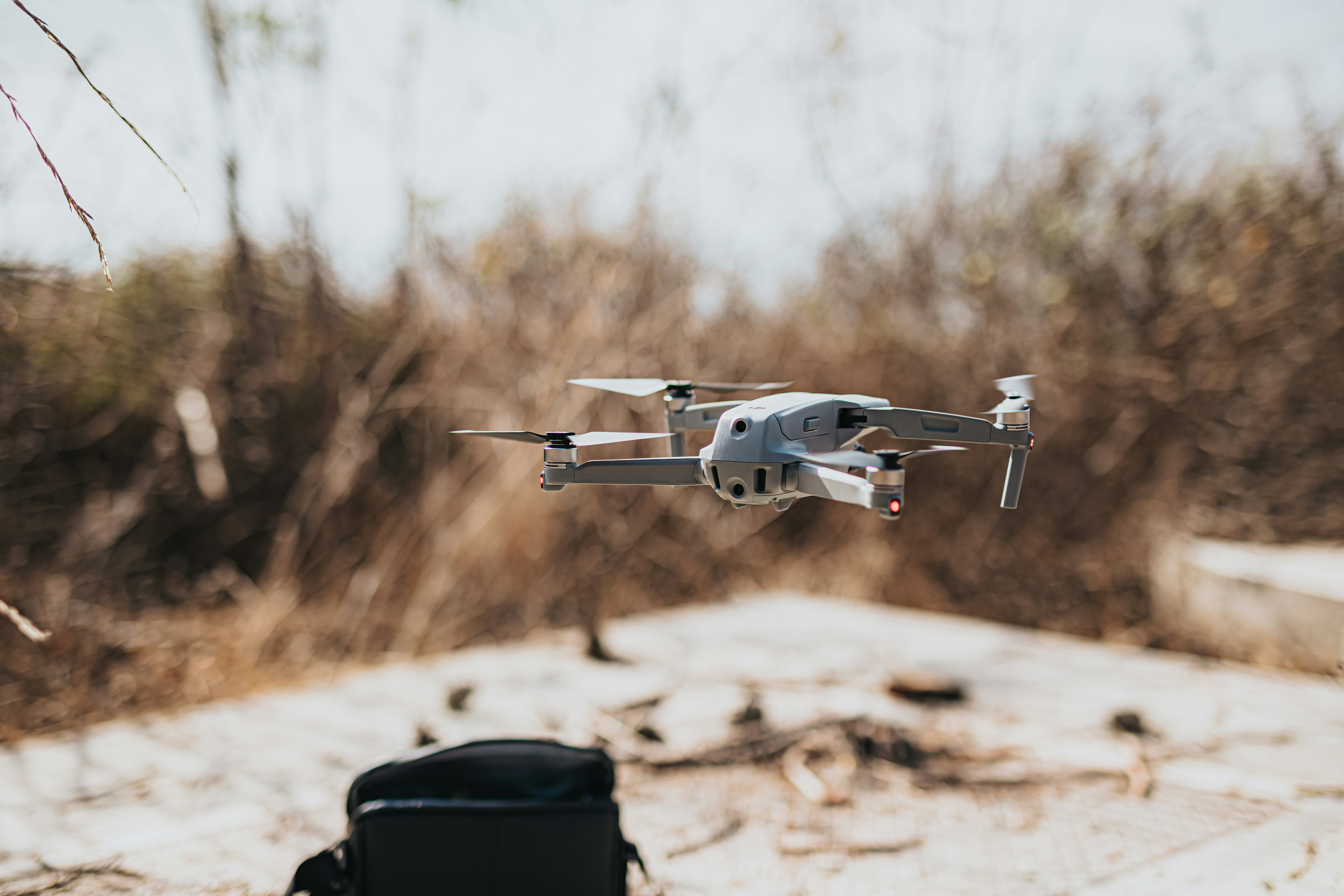
A stabilized gimbal UAV plays a significant role in eliminating the effects of vibrations and abrupt movements, resulting in smooth and clear images. The key to achieving this lies in the precision UAV design, which integrates advanced algorithms that respond to real-time flight conditions. This ensures that even the most demanding environments do not compromise the UAV’s ability to capture high-definition footage.
Integrating Airframe Design and Flight Control
But it doesn’t all stop with the gimbal! For a high-zoom drone platform, combining robust airframe design with sophisticated flight control systems is essential. These elements work together to maintain stability even when navigating through turbulent air or executing sharp maneuvers. In short, the harmony between airframe, control, and gimbal is what elevates a UAV’s performance to meet the needs of precision missions.
In conclusion, understanding the intricacies of UAV payload stability can be the difference between a successful mission and a missed opportunity. When every photo counts, making sure your UAV is equipped with the right technology and design will keep you flying high.