
Introduction
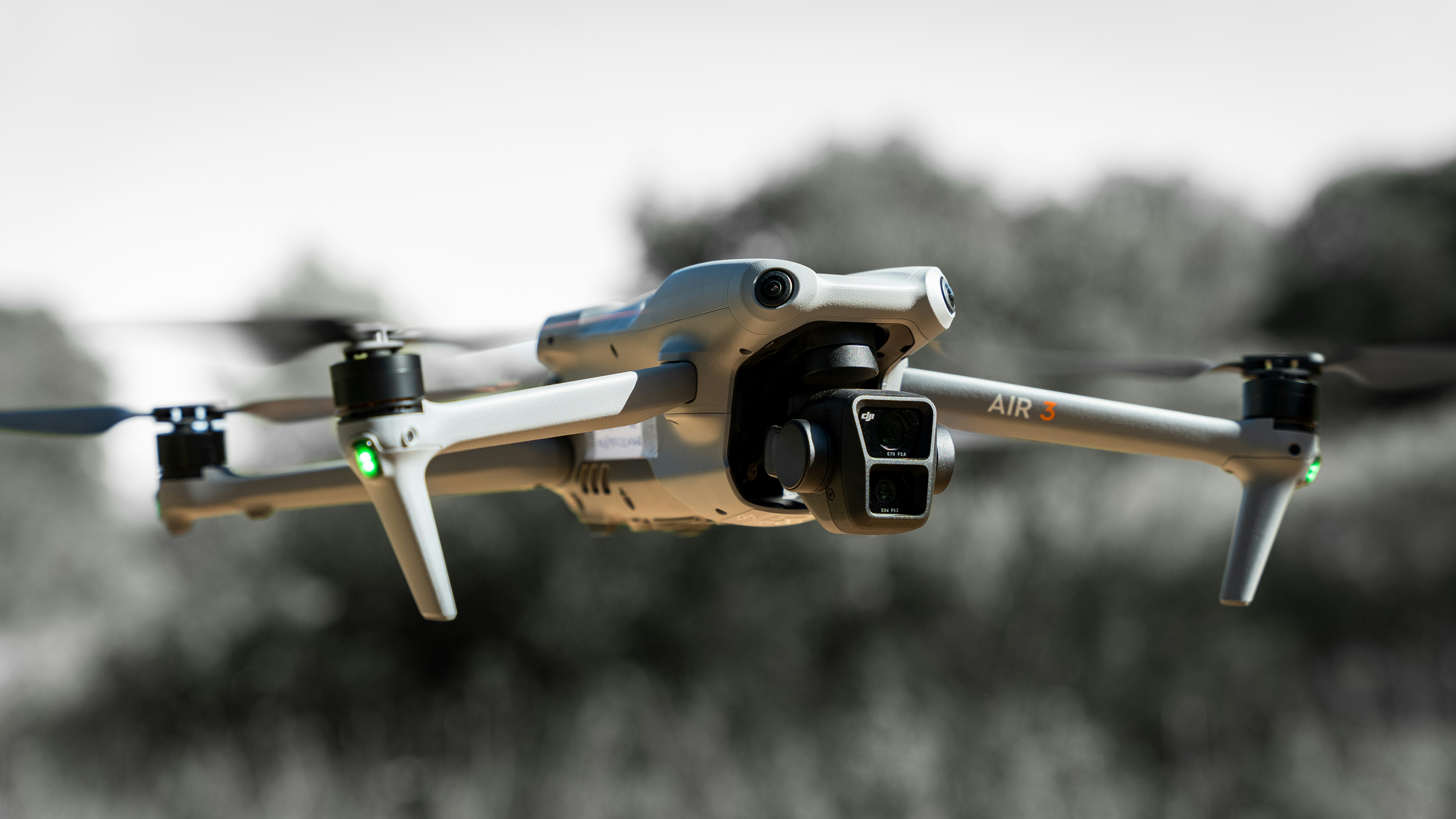
The ongoing Russia-Ukraine conflict has underscored a significant shift in modern warfare, particularly concerning the utilization of small quadrotor drones. These agile unmanned aerial vehicles (UAVs) have become pivotal in military operations, where they serve a multitude of functions ranging from reconnaissance to tactical engagements. Traditional heavy military equipment, such as tanks and artillery, is increasingly being overshadowed by these lightweight military drones that offer greater versatility and operational efficiency.
Small quadrotor drones have the distinct advantage of being cost-effective, allowing military forces to deploy numerous units without straining budgets. They are essential for intelligence, surveillance, and reconnaissance (ISR) missions, providing real-time information that is crucial for maintaining an upper hand in unfolding combat scenarios. As technology advances, these drones incorporate features such as thermal imaging and night vision capabilities, further enhancing their effectiveness in various operational environments.
The shift towards small UAVs in warfare illustrates a broader trend where intelligent unmanned systems redefine tactics on the battlefield. Tactical UAVs, particularly in the form of AI drones equipped with tracking abilities, have revolutionized target acquisition and engagement processes, allowing for precision strikes with minimal collateral damage. As military strategists grasp the implications of these technologies, it is clear that the dynamics of drone warfare will continue to evolve, indicating that future warfare technology will heavily rely on these small and efficient systems. Understanding this transformation is critical for military analysts and decision-makers as they navigate the changing landscape of conflict, revealing that the age of small quadrotor drones is not only imminent but already here.
Lessons from the Russia-Ukraine Conflict
The ongoing conflict between Russia and Ukraine has illuminated the evolving landscape of modern warfare, particularly through the operational deployment of lightweight military drones. Small quadrotor drones, also referred to as small UAVs, have emerged as essential tools in various tactical scenarios. Their versatility and relatively low cost have significantly revolutionized combat strategies.
One concrete example of their effectiveness can be observed in reconnaissance missions. These small quadrotor drones are capable of providing real-time aerial imagery that enables combat units to gather intelligence on enemy positions and movements without putting personnel at risk. The integration of artificial intelligence in drone tracking further enhances this capability, allowing for the swift identification of targets and optimized resource allocation.
Moreover, small UAVs have proven invaluable in artillery spotting operations. By employing advanced sensors and thermal imaging technology, these drones facilitate accurate targeting and minimize collateral damage. Operators can adjust artillery fire based upon the feedback received from the quadcopter drone, significantly increasing the effectiveness of bombardments while safeguarding civilian lives.
Additionally, during direct engagement scenarios, tiny tactical UAVs have been employed to conduct strikes against high-value targets. Their lightweight design allows for swift maneuvering and deployment in urban settings, areas where traditional aircraft may struggle due to restrictions. This adaptation has allowed for a shift in combat posture, where drone warfare trends indicate an increasing reliance on these technologies for both surveillance and combat.
Overall, the Russia-Ukraine conflict showcases the critical role that intelligent unmanned systems play in shaping contemporary military tactics. The lessons learned from this theater of war underline the necessity for armed forces to adapt to and incorporate small quadrotor drones into their operational frameworks to maintain strategic advantages in future warfare technology.
Shifting from Traditional Equipment to Flexible UAV Systems
The dynamic landscape of modern warfare has prompted militaries worldwide to reassess their tactical approaches, particularly in terms of equipment and technology. One of the most significant shifts observed is the transition from conventional heavy military assets to the deployment of flexible unmanned aerial vehicles (UAVs), specifically small quadrotor drones. The versatility of these small UAVs has become increasingly evident in contexts such as the ongoing Russia-Ukraine conflict, where agility and adaptability are crucial for operational success.
Traditional military equipment, characterized by its size and weight, often comes with logistical and operational constraints. This legacy of heavy machinery can limit a military’s responsiveness in rapidly changing environments. In contrast, small quadrotor drones, also known as quadcopter drones, provide a lightweight alternative that can be deployed swiftly and with minimal operational footprint. Their size allows for easy transport and quick deployment, making them suitable for reconnaissance missions and tactical operations.
Furthermore, the integration of advanced technologies like AI drone tracking, thermal imaging capabilities, and night vision enables these lightweight military drones to perform a variety of functions effectively. They serve not only as ISR drones—Intelligence, Surveillance, and Reconnaissance—but also as platforms for precision strikes in drone warfare trends. Such advancements enhance situational awareness and decision-making on the battlefield, allowing military forces to leverage real-time intelligence gathered by professional quadcopter UAVs.
This shift towards smaller, more capable UAV systems underlines the necessity for modern military forces to embrace future warfare technology. The operational paradigm is evolving, moving away from reliance on cumbersome machinery to the strategic use of intelligent unmanned systems capable of delivering significant tactical advantages. As observed in recent conflicts, adaptability and flexibility provided by these small drones are setting new standards for military effectiveness in various combat scenarios.
Why Small Quadrotor Drones Matter in Modern Conflicts
The emergence of small quadrotor drones, often referred to as small UAVs, has significantly transformed the landscape of modern warfare. These compact and efficient systems provide military forces with substantial advantages over traditional manned aircraft and heavier weaponry. One of the primary benefits of utilizing a small quadrotor drone is cost-effectiveness. Compared to conventional military assets, such as fighter jets and large unmanned systems, small quadrotor drones can be produced at a fraction of the cost. This low cost military drone alternative allows for more frequent deployments without the financial burden associated with maintaining and operating larger aircraft.
Moreover, the operational frequency of small UAVs is markedly higher. Tactical UAVs, including quadcopter drones, can be rapidly deployed for reconnaissance missions and ISR (Intelligence, Surveillance, Reconnaissance) operations. Their flexible design enables them to perform a variety of tasks, ranging from real-time monitoring of troop movements to aerial support in dynamic environments. Their adaptability underscores the vital role they play in modern combat scenarios, as they can be quickly taken out of service and replaced without impacting long-term military budgets.
Additionally, small quadrotor drones exhibit an acceptable attrition rate, which aligns with contemporary military considerations. The ability to sacrifice these lightweight military drones during operations allows forces to prioritize lives and critical assets, while still obtaining vital intelligence through advanced technology. The integration of AI drone tracking and capabilities such as thermal imaging and night vision enhances their utility, making them invaluable in various combat situations.
Overall, the influence of small quadrotor drones in modern conflicts demonstrates their expanding role as intelligent unmanned systems, defining future warfare technology and shaping current drone warfare trends.
Impact of Stealth, Mobility, and Rapid Response
The emergence of small quadrotor drones, often referred to as small UAVs, has fundamentally transformed the dynamics of modern warfare, particularly evidenced in the ongoing Russia-Ukraine conflict. These lightweight military drones are celebrated for their ability to perform reconnaissance and surveillance missions in diverse environments, enabling military forces to gather intelligence without exposing themselves to significant risk. The stealth capabilities of small quadrotor drones allow them to operate undetected in complex urban settings or rugged terrains, making them invaluable assets in contemporary combat situations.
Mobility is another remarkable attribute of small quadrotor drones. Unlike traditional aircraft, these tactical UAVs can swiftly navigate through tight spaces, enabling operators to deploy them rapidly. This agility supports not only intelligence, surveillance, and reconnaissance (ISR) missions, but also offers logistical and tactical advantages during real-time operations. The integration of AI drone tracking has further enhanced their effectiveness by allowing for precise positioning and navigation, ensuring optimal routes for mission accomplishment.
Furthermore, the rapid deployment capabilities of these professional quadcopter UAVs are essential in ensuring timely responses to emerging threats. The ability to launch and retrieve these low-cost military drones within minutes empowers commanders to adapt to changing battlefield conditions efficiently. Moreover, utilizing advanced systems such as thermal imaging drones and night vision UAVs enhances operational effectiveness during nocturnal missions, providing an edge in surveillance and target acquisition. In essence, the unique combination of stealth, mobility, and rapid response positions small quadrotor drones at the forefront of future warfare technology, reflecting adapting drone warfare trends and the continuous evolution of military strategies.
Advances in Reconnaissance Capabilities
In recent years, the evolution of small quadrotor drones, often referred to as small UAVs, has revolutionized reconnaissance capabilities in military operations. These unmanned aerial vehicles have transitioned from basic flying platforms to sophisticated systems equipped with advanced technology that enables them to perform effectively in a wide range of environments. The introduction of thermal imaging and low-light sensors to quadcopter drones has particularly enhanced their functionality, allowing for continuous surveillance during both day and night. This capability is crucial for military forces engaged in modern warfare, where the need for accurate and timely intelligence can determine the outcome of engagements.
The 24/7 reconnaissance capabilities provided by tactical UAVs have shifted the landscape of intelligence, surveillance, and reconnaissance (ISR) missions. With their ability to capture high-resolution imagery and real-time data analytics, these small quadrotor drones facilitate better situational awareness. For instance, during the Russia-Ukraine conflict, the use of low-cost military drones equipped with AI for tracking targets has underscored the importance of integrating intelligent unmanned systems into military strategies. This allows ground forces to make informed decisions based on data collected by reconnaissance drones.
Furthermore, advances in drone warfare technology, including the development of lightweight military drones optimized for specific operations, have reduced operational costs while enhancing effectiveness. This trend exemplifies the growing reliance on unmanned systems to provide strategic advantages, making traditional reconnaissance methods increasingly obsolete. The ability to deploy a professional quadcopter UAV for rapid reconnaissance missions demonstrates how drone warfare trends are evolving. Engaging in these technological advancements not only streamlines military operations but also creates a paradigm shift in how modern conflicts are monitored and managed.
Payload Flexibility and Modular Design
The emergence of small quadrotor drones, often referred to as small UAVs, has revolutionized modern warfare by offering exceptional payload flexibility and modularity. These lightweight military drones can be equipped with various payloads based on mission requirements, which significantly enhances their operational versatility. The capacity to customize payloads makes these small UAVs ideal for multiple applications, including reconnaissance and surveillance, allowing military forces to gather critical intelligence without exposing personnel to direct threats.
Unlike traditional aircraft, which often have fixed payloads, small quadrotor drones employ a modular design that facilitates rapid adjustments and reconfigurations. This adaptability is particularly beneficial in dynamic combat environments where the mission parameters may shift unexpectedly. For instance, a small quadrotor drone can be outfitted with a thermal imaging camera for night operations, later switched to a high-resolution optical sensor for daylight surveillance. Such flexibility is crucial in tactical UAV deployments, enabling real-time responses to evolving threats and target situations.
Moreover, the payload options extend beyond just surveillance to include tactical applications, such as delivering targeted munitions or supplies to remote locations. This capability aligns with the contemporary trends in drone warfare, where precise and efficient strikes are prioritized. Through intelligent unmanned systems, the integration of artificial intelligence allows for enhanced effectiveness in ai drone tracking, ensuring that the payload delivery is accurate and minimized collateral damage.
In the arena of future warfare technology, the operational efficiency of these small quadrotor drones in reconnaissance roles and precision strikes reflects their growing significance in military strategy. As armed forces continue to explore and expand their drone warfare capabilities, the versatility of small quadrotor drones will likely play a pivotal role in shaping modern military operations.
Cost Efficiency Compared to Traditional Military Assets
The ongoing developments in modern warfare highlight a significant shift toward the adoption of small quadrotor drones, particularly in the context of cost efficiency. Traditionally, military operations have relied on expensive assets such as manned aircraft and heavy weaponry. However, the integration of small unmanned aerial vehicles (sUAVs) such as reconnaissance drones and tactical UAVs has demonstrated that effective aerial capabilities can be achieved at a fraction of the cost.
Small quadrotor drones have emerged as low-cost military drones that provide essential advantages without the burdensome financial investments associated with conventional military hardware. For instance, where a traditional fighter jet may cost millions to operate and maintain, a professional quadcopter UAV can be procured for significantly less, offering both economic and operational flexibility. This economic efficiency becomes particularly advantageous in scenarios that require quick deployment of assets, where traditional systems would prove too cumbersome and costly.
Moreover, the capabilities of these drones, including thermal imaging and night vision technologies, enable them to perform critical surveillance tasks traditionally assigned to larger, manned aircraft. This shift not only reduces operational costs but also minimizes the risks associated with human life during reconnaissance missions. As military forces navigate the landscape of drone warfare trends, it becomes increasingly clear that small quadrotor drones can fulfill roles previously dominated by expensive and resource-intensive machines.
The trend toward using intelligent unmanned systems like small UAVs showcases how military decision-makers are prioritizing economic efficiency without compromising operational effectiveness. As such, future warfare technology is likely to embrace small quadrotor drones for a multitude of applications, proving that tactical UAVs are poised to redefine the parameters of military spending.
Future Trends: Towards Intelligent, Small-Scale Warfare
The nature of modern warfare is undergoing significant transformation, particularly with the integration of small quadrotor drones, which are becoming essential tools in conflict zones. The rise of these small unmanned aerial vehicles (UAVs) reflects a shift towards decentralized operations where intelligence, surveillance, and reconnaissance (ISR) are paramount. As the battlefield becomes increasingly complex, the reliance on lightweight military drones and tactical UAVs will likely intensify, allowing for more agile military operations.
One of the most crucial advancements is the integration of artificial intelligence (AI) in drone warfare. AI-powered drone tracking systems enable real-time decision-making, enhancing the operational effectiveness of quadcopter drones. By analyzing vast amounts of data from various sources, these intelligent unmanned systems can predict enemy movements and provide actionable intelligence, which is critical for mission success. Furthermore, the development of thermal imaging drones and night vision UAVs enhances situational awareness during low visibility conditions, representing a significant leap in reconnaissance capabilities.
The future of warfare will also see the introduction of low-cost military drones that can be deployed in swarms, amplifying their impact on the battlefield. This trend reflects an increasing emphasis on efficiency and cost-effectiveness, as procurement budgets tighten globally. Such tactical UAVs do not only offer advantages in conventional warfare scenarios but can also be utilized in asymmetric conflicts where traditional military assets may not be feasible.
In conclusion, as small quadrotor drones continue to evolve, their role in shaping future warfare technology will become vital. The intertwining of AI with UAV operations highlights a new era of intelligent warfare, characterized by swift, decentralized, and efficient combat strategies. Understanding these trends is essential for military planners and defense analysts alike, as they will inevitably influence the dynamics of future conflicts.
Conclusion: The Strategic Importance of Small Drones
The ongoing conflicts, particularly the Russia-Ukraine war, have underscored the transformative role of small quadrotor drones in modern warfare. These small unmanned aerial vehicles (UAVs) have emerged as pivotal tools for reconnaissance, intelligence gathering, and even direct engagements. The integration of advanced technologies such as thermal imaging and AI drone tracking significantly enhances the operational capabilities of these lightweight military drones, making them indispensable assets on the battlefield.
Moreover, the affordability of small UAVs allows for widespread deployment across various military divisions, facilitating asymmetric warfare strategies. Tactical UAVs, characterized by their agility and operational efficiency, empower armed forces to conduct surveillance missions while minimizing risk to personnel. As battlefield dynamics shift towards a focus on technology-driven solutions, the strategic importance of drones, particularly low-cost military drones like quadcopter drones, becomes increasingly evident.
Furthermore, the rise of drone warfare has highlighted shifts in reconnaissance tactics. ISR drones have revolutionized how intelligence is gathered, providing real-time information and insights that were previously unattainable. This evolution signifies a new era in military strategy, where the integration of intelligent unmanned systems ensures that armed forces remain agile and responsive to emerging threats. As nations continue to adapt their military frameworks around these technologies, the lessons learned from the current conflicts will shape the future of warfare technology.
In conclusion, the strategic importance of small quadrotor drones in the context of future conflicts cannot be overstated. Their ability to deliver effective reconnaissance and engage in tactical operations will likely define the evolution of modern military strategies. The ongoing advancements in drone technology and their tactical applications will undeniably influence future warfare, marking small UAVs as critical components in military arsenals worldwide.