
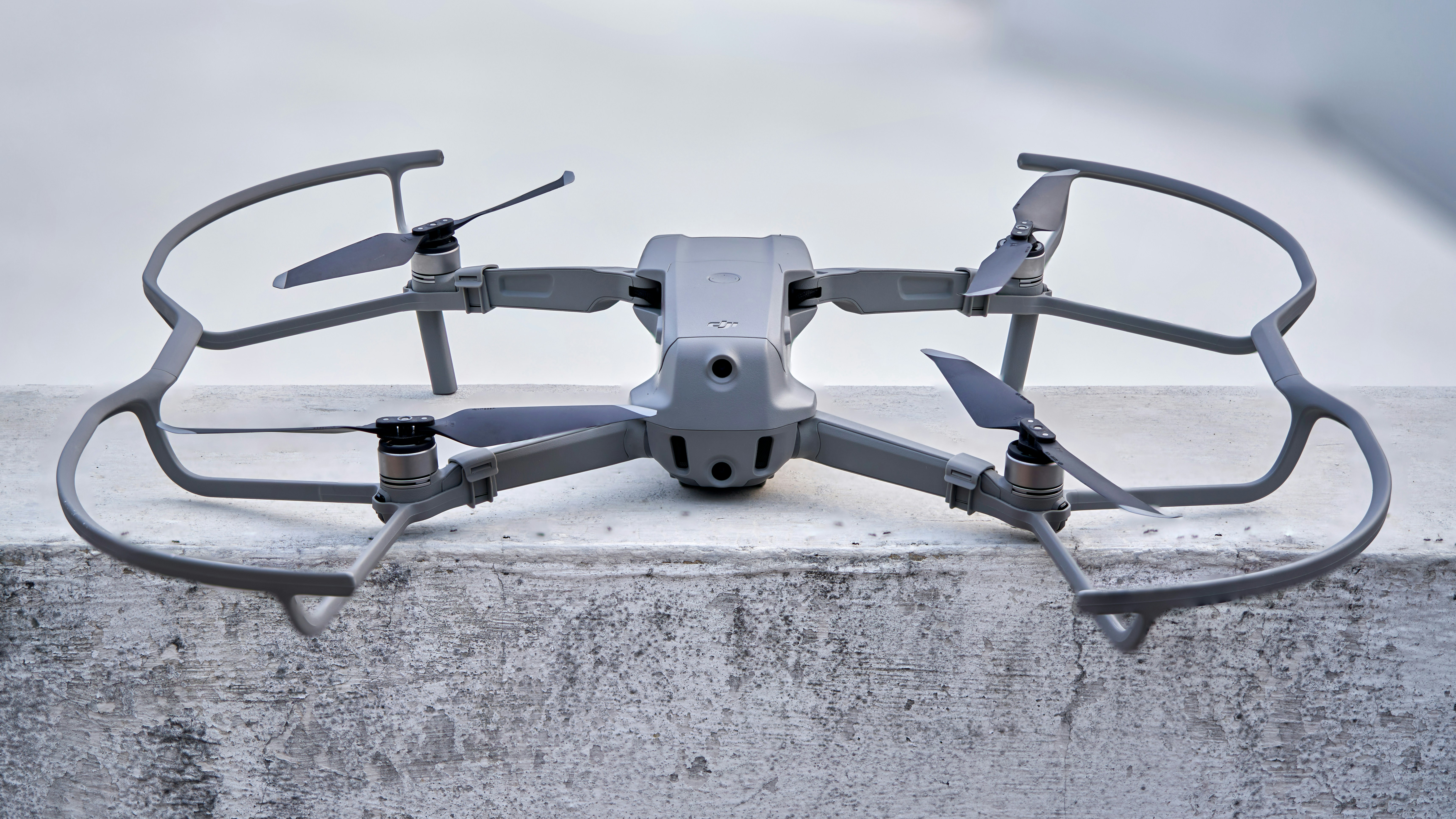
Introduction to Drones in 2026
The drone market in 2026 has seen remarkable advancements, offering a plethora of choices for both consumers and professionals. With the growing interest in drone technology, a comprehensive drone buying guide for 2026 becomes essential for potential buyers. Recent innovations have elevated drone capabilities, making them more efficient and user-friendly.
Technological improvements have led to enhanced drone features, such as better camera quality for stunning aerial photography and video capturing. Among the best consumer drones in 2026, many feature advanced obstacle avoidance systems and superior flight times that enrich the user experience. The evolution of drones has also paved the way for specialized categories, distinguishing between entry-level drones under $300 and professional-grade models like the DJI Mavic 3 Pro, which offer sophisticated capabilities for serious enthusiasts and professionals.
Moreover, regulatory changes continue to shape the drone landscape. In 2026, safety and regulations around drone usage have become more stringent, with specific guidelines outlined by aviation authorities aiming at ensuring responsible usage. For instance, the benefits of sub-250g drones, which fall under fewer restrictions, have gained traction among new users looking for lightweight, portable options.
The surge in demand has also affected pricing dynamics across the market. When exploring DJI drone prices in 2026, potential buyers will find a range of options, from the budget-friendly DJI Mini series pricing to the premium cost associated with high-end offerings like the DJI Air 3S features. In this climate, knowing what to look for in a drone is crucial for making an informed investment.
As of 2026, the drone market has expanded immensely, offering numerous categories to cater to diverse user needs and preferences. Understanding these categories is crucial when navigating the drone buying guide 2026. The primary categories include recreational drones, commercial drones, racing drones, and specialized drones.
Recreational drones are perhaps the most accessible and user-friendly. Ideal for hobbyists and beginners, these entry-level drones under $300 provide a balanced combination of features and affordability. They usually come equipped with basic flight capabilities and decent camera quality, making them perfect for casual aerial photography and exploration.
On the other hand, commercial drones are designed for professional applications, including agricultural monitoring, surveillance, and delivery services. These drones often offer advanced drone features, such as enhanced obstacle avoidance systems and longer flight times, contributing to their efficiency in various industries. A comparison among these drones reveals that prosumer drone features can significantly elevate the user experience and outcomes in professional settings.
Racing drones represent yet another niche segment, focusing on speed and agility. These drones are specifically designed for competitive racing events, emphasizing lightweight builds and quick maneuverability. Pilots often customize their setups to optimize performance, thereby enhancing the competitive experience.
Additionally, specialized drones have emerged to meet specific needs, such as photography drones that often incorporate superior camera technology and advanced stabilization mechanisms, thereby enhancing drone camera quality explained in detail throughout the market. With choices ranging from the DJI Mini series pricing to the more advanced DJI Air 3S features, enthusiasts and professionals alike can find a drone tailored to their requirements.
Overall, understanding the various types of drones available in 2026 assists potential buyers in making informed decisions, ultimately aligning with their specific needs and intended applications.
Key Features to Consider When Buying a Drone
When embarking on the journey of purchasing a drone in 2026, several key features should be taken into account to ensure that the selected device fits the intended use. Understanding these features is crucial for making an informed decision, especially in a market filled with diverse options like best consumer drones 2026 and entry-level drones under $300.
One of the paramount considerations is drone camera quality. Depending on whether the drone is intended for casual photography or professional videography, buyers should look for specifications such as resolution and sensor quality. A higher resolution often equates to clearer images, making it vital for those aiming for high-end content creation.
Flight time is another essential factor. The average flight time of most drones varies; therefore, understanding the duration a drone can stay airborne impacts usability, particularly for users who plan to cover extensive areas. Comparing drone flight time across different models will also help in identifying which option is suitable for various activities.
Stability plays a critical role, particularly for beginners. Novice users should seek out drones with enhanced stabilization features, which mitigate the impact of windy conditions. Similarly, the range of the drone is also important. A greater range allows for wider exploration and can be crucial for professional use cases.
Additionally, the inclusion of GPS capabilities in a drone can improve navigation and ensure safe return features. Understanding drone obstacle avoidance features and their relevance to flight safety is also paramount, particularly for newer users who might not have extensive piloting experience.
Furthermore, potential buyers should assess how user-friendly the selected drone is, especially in terms of setup and controls. With the growing demand for user-friendly models, many manufacturers are focusing on developing drones that cater to beginners while offering advanced capabilities for seasoned users.
Budgeting for Your Drone Purchase
Setting a budget for your drone purchase is essential, especially considering the wide variety of options available in 2026. Drones can range from entry‑level drones under $300 to high-end professional models that can cost over $2,000. Understanding where you fit within these categories will help guide your purchasing decisions. The best consumer drones of 2026 typically fall within the mid-range price category, offering a balance of features and capabilities without breaking the bank.
When planning your budget, it’s important to account for additional costs beyond the drone itself. Accessories can be necessary for optimal performance; this includes spare batteries, carrying cases, and additional propellers which can add $100 or more to your overall expenses. Additionally, if you choose to invest in a DJI drone, keep in mind the DJI drone prices of 2026, which may vary based on features like combined flight time and camera quality.
Another consideration is insurance and liability coverage, which provides financial protection in case of accidents. This can range anywhere from $50 to several hundred per year, depending on the coverage selected. Furthermore, it is wise to research drone safety and regulations applicable to your area, as becoming informed on these topics can potentially influence your drone choice and associated costs.
For those looking to save money, it is advisable to search for deals on websites that specialize in drones or reputable electronics retailers that offer seasonal discounts. Additionally, keeping an eye on both Amazon and manufacturer websites may lead you to promotions or bundled packages that include essential accessories at a reduced price.
In the forthcoming sections of this drone buying guide 2026, we will delve deeper into what to look for in a drone, including prosumer drone features, thus providing a comprehensive foundation for your drone purchasing journey.
Understanding Drone Regulations and Licensing
As drone technology continues to evolve, understanding the legal landscape surrounding drone operation is critical for both enthusiasts and professionals. In 2026, various aviation authorities, including the Federal Aviation Administration (FAA) in the United States, have instituted regulations aimed at ensuring safe and responsible drone usage. These regulations encompass registration requirements, restrictions on flight zones, and operational guidelines that every drone operator must adhere to.
Firstly, it is essential to register your drone if it weighs more than 0.55 pounds (approximately 250 grams). Registration is straightforward, typically involving an online form and a small fee, after which you will receive a unique identification number to affix to your drone. This requirement applies regardless of whether you are purchasing an entry-level drone under $300 or one of the best consumer drones 2026. The purpose of registration is to foster accountability and assist in the safe integration of drones into national airspace.
Furthermore, drone operators must be aware of no-fly zones, which often include areas near airports, military bases, and populated urban centers. Ignoring these restrictions can lead to hefty fines or even criminal charges. New features in many drones, such as real-time geofencing and obstacle avoidance, help pilots navigate these challenges effectively.
Licensing may not always be mandatory for recreational drone users, but for those operating drones for commercial purposes, such as aerial photography or delivery services, obtaining a Remote Pilot Certificate is essential. This certification requires completion of a written exam that covers various aspects of drone operation, including airspace regulations, weather considerations, and safe flying practices.
In conclusion, staying informed about drone regulations and licensing requirements is indispensable for any aspiring drone pilot. Knowledge not only enhances safety but also leads to more enjoyable flying experiences, whether using professional or prosumer drone features. When embarking on your drone buying journey in 2026, be sure to incorporate compliance with regulations into your purchase considerations, ensuring the safe operation of your new drone.
Brand Recommendations and Reviews
As consumers navigate the increasingly saturated drone market in 2026, several brands have gained prominence for their quality, reliability, and innovative features. Among these, DJI stands out as a prominent market leader. The DJI Mini series, particularly known for its affordability and compact design, remains a favorite in the best consumer drones 2026. The pricing structure of DJI drones, including the dji mavic 3 pro price, reflects their advanced capabilities, attracting both hobbyists and professionals.
Another noteworthy contender is Autel Robotics, which has garnered attention for its versatile offerings. Models such as the Autel EVO Lite provide impressive camera quality and extended flight times, making them ideal for both enthusiasts and professionals alike. The consumer feedback on Autel drones often highlights their obstacle avoidance features and superior performance in low light conditions.
For budget-seekers, brands like Holy Stone and Potensic offer solid entry-level drones under $300. These drones come equipped with essential features that make them suitable for beginners. Reviews often commend their accessibility and ease of use, crucial aspects when considering what to look for in a drone.
When discussing prosumer drones, the comparisons turn to brands like Skydio and Parrot. Skydio’s drones incorporate advanced obstacle avoidance capabilities, providing a unique selling point over competitors. Parrot, with its Anafi series, is recognized for offering high-quality camera options at competitive dji drone prices 2026.
Customer reviews consistently emphasize aspects like drone safety and regulations compliance, indicating a preference for brands that prioritize user security and adherence to local laws. In light of these factors, when making a purchase, it is essential to consider expert opinions and real-user experiences to determine the most suitable drone that meets individual needs and budget.
Where to Buy Drones: Online vs. In-store
When considering the purchase of a drone, one of the most significant decisions is where to buy it. The two primary options are online platforms and physical retail stores. Each has its distinct advantages and disadvantages that can impact your shopping experience and overall satisfaction with your purchase.
Online shopping offers unparalleled convenience. It allows consumers to browse an extensive selection of drones, including the latest models such as the dji mini series and dji air 3s, from the comfort of their homes. Buyers can easily compare dji drone prices 2026 and explore user reviews to assess the best consumer drones 2026. Moreover, online retailers often provide better deals, especially during seasonal sales or promotions. However, buyers may face challenges, such as inspecting the product physically or acquiring knowledgeable customer support.
On the other hand, purchasing drones in-store allows for hands-on examination of various models. This experience is particularly beneficial when looking for entry-level drones under $300 or comparing professional drone features and prosumer drone features. Shoppers can engage directly with experts who can provide tailored advice, which is especially valuable for beginners seeking the best drones for beginners 2026. The tactile interaction helps gauge quality, camera features, and the feel of the drone in hand, enhancing decision-making.
Nevertheless, physical stores may have limited inventory and higher prices compared to their online counterparts. Availability of specific models such as the dji mavic 3 pro may also vary by location. Shoppers may need additional time for travel and the possibility of a selection that does not meet their needs.
Ultimately, whether you choose to buy online or in-store will depend on your specific preferences, including your familiarity with drone technology and your priority regarding convenience versus personal interaction.
Tips for First-Time Drone Pilots
Entering the world of drone flying can be an exhilarating experience, particularly for those who are new to this technology. To ensure a smooth initiation into this hobby or profession, it is essential to follow specific guidelines aligned with what to look for in a drone. For beginners, entry-level drones under $300 are particularly recommended, as they provide a balance of affordability and basic features conducive to learning.
Before taking to the skies, it is advisable to familiarize yourself with the drone’s controls and functionalities. Most modern drones come equipped with comprehensive user manuals or online tutorials that detail operation procedures. Understanding drone camera quality explained can significantly enhance your visual capture when you start piloting. Ensuring robust practice in a safe and open area away from crowds will provide you an opportunity to become acquainted with maneuvering and handling.
Safety is paramount; hence, be aware of drone safety and regulations in your area. Always register your drone if it exceeds the weight limit established by your local aviation authority and follow guidelines to avoid restricted zones. This is especially crucial for those considering advanced models like the DJI Air 3S or Mavic 3 Pro, which may have specific compliance requirements due to their features and capabilities.
To refine your flying skills, consider leveraging online resources such as instructional videos and forums where experienced pilots share their insights. Many enthusiasts also recommend practice simulators, which can bridge the gap between theoretical knowledge and actual flying experience. Additionally, engaging in communities or local meet-ups can provide valuable tips for first-time drone pilots and assist in formal or informal training.
Finally, always stay informed about drone flight time comparison among various models, as understanding the time limitations of your device can enhance your preparatory measures for longer flying sessions. With proper guidance and a focus on the right drone, such as the best consumer drones 2026, even beginners can rapidly gain confidence and proficiency in operating their drones safely and efficiently.
Future Trends in Drone Technology
The drone industry is witnessing rapid advancements driven by emerging technologies and shifting consumer demands. One of the most significant trends shaping the future of the drone market is the integration of artificial intelligence (AI). AI systems are enhancing drone capabilities, allowing for features such as autonomous flight, advanced image recognition, and improved obstacle avoidance. As these technologies continue to evolve, consumers can expect even more sophisticated models, particularly in categories designated for professionals, such as the new dji air 3s features that utilize AI to optimize flight paths and camera operations.
Improved battery life is another critical trend that will influence drone buying decisions in 2026. With extended flight times, drone users can enjoy longer aerial insights before needing a recharge, thereby increasing productivity and usability. This improvement is particularly crucial for entry-level drones under $300, as manufacturers work to balance cost-effectiveness with performance. Furthermore, new battery technologies may also enable better drone camera quality, facilitating the capture of high-resolution imagery without the need for frequent interruptions during flights.
Moreover, advancements in delivery systems are setting the stage for drones to play a central role in logistics. Companies are investing heavily in developing systems that utilize drone technology for package delivery, which could reshape consumer expectations surrounding shipping times and costs, including insights on dji drone prices 2026. As regulations tighten, understanding drone safety and regulations will become essential for potential buyers. Adherence to these regulations not only enhances safety but also benefits users by allowing them to harness the full potential of sub-250g drone benefits.
Finally, the ongoing evolution of drone categories will pave the way for a clearer distinction between consumer vs. professional drones. As technology matures, identifying what to look for in a drone will become increasingly important for consumers, ensuring they select the best drones for beginners 2026 or consider both prosumer drone features and professional drone comparisons.