The Importance of Night Surveillance in Security Operations
In the realm of security operations, the ability to effectively monitor activities during nighttime or low-visibility conditions poses a significant challenge. Traditional surveillance methods often fall short in these settings, making it imperative for security personnel to adopt advanced technologies to overcome the obstacles presented by darkness. The reduced visibility at night not only lowers the effectiveness of conventional surveillance techniques but also increases the likelihood of undetected criminal activities.
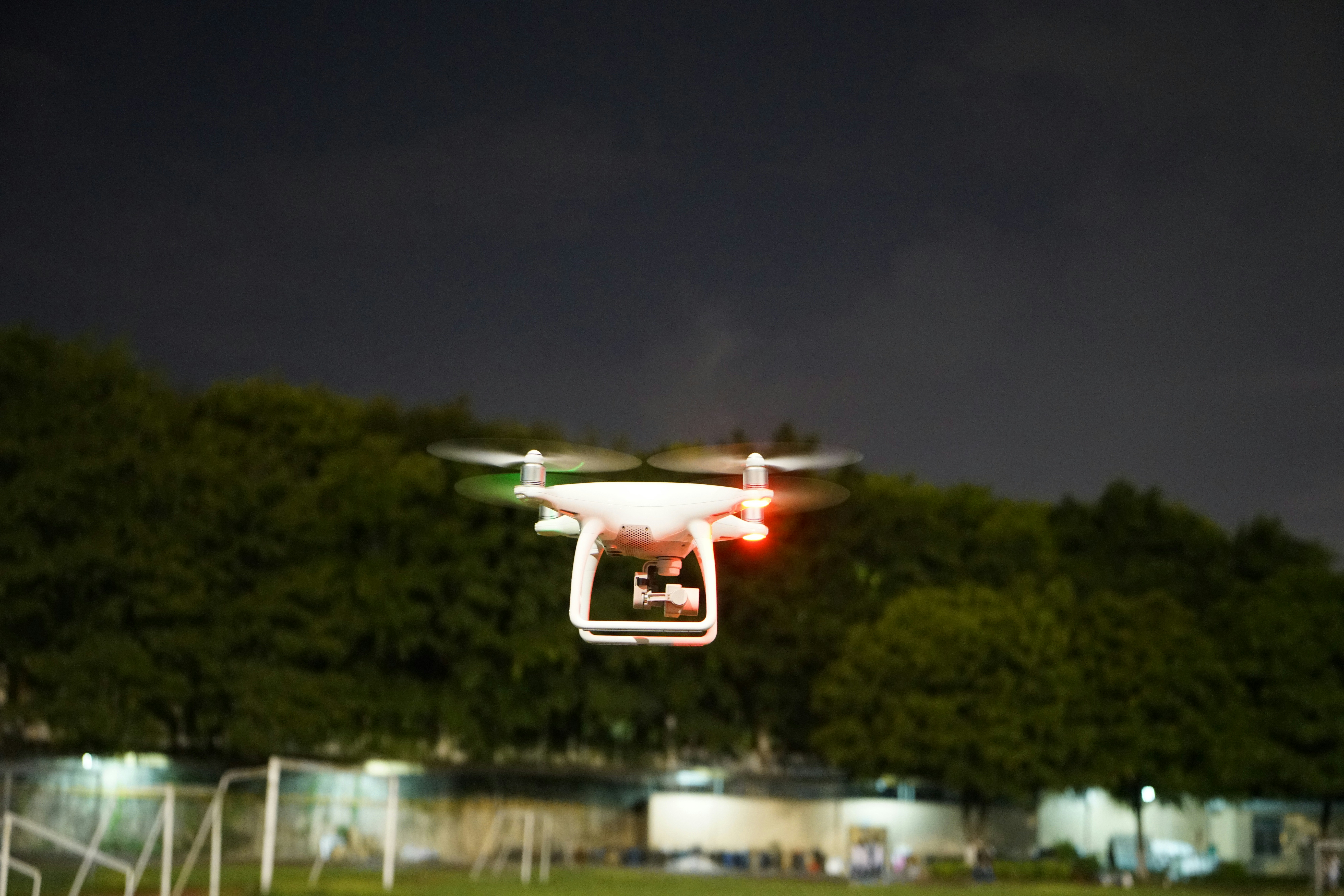
One of the most compelling solutions to enhance nighttime security is the deployment of specialized night surveillance drones. These advanced systems, equipped with infrared surveillance capabilities, enable security teams to conduct thorough observations even in complete darkness. By leveraging thermal security drone technology, security personnel can significantly improve situational awareness, allowing for immediate detection and response to potential threats. Furthermore, the integration of night vision drone systems provides additional clarity during low-light scenarios, ensuring a comprehensive surveillance approach.
The unique advantages of utilizing a tactical night patrol UAV extend beyond mere visibility. These drones are designed for maneuverability and can cover extensive areas quickly, making them a vital tool for border security and ISR night drone operations. Their long-range capabilities permit excellent monitoring of vast landscapes, which is particularly beneficial in remote or high-risk zones. With a border security thermal drone, for example, security forces can safeguard critical areas more effectively than with foot patrols alone.
In essence, the implementation of security monitoring drones allows for proactive measures in combating crime and enhancing public safety. By transforming nighttime surveillance into a more efficient and reliable practice, the integration of advanced drone technology significantly bolsters security operations, equipping teams with the necessary tools to address the unique challenges posed by night conditions.
Key Technology Features in Night Surveillance Drones
Night surveillance drones have revolutionized security operations by providing critical capabilities that enhance monitoring in low-light conditions. Central to the effectiveness of these unmanned aerial vehicles (UAVs) is their thermal imaging technology. This feature allows the night surveillance drone to detect heat signatures, making it particularly useful in identifying human movement and vehicles even in complete darkness. The thermal security drone can pick up on body heat, which can be an invaluable asset for border security and tactical night patrol operations.
Another significant component is the infrared sensors that operate alongside thermal imaging. These sensors enable the infrared surveillance UAV to capture images and videos that traditional cameras would struggle to interpret at night. This capability is essential for security monitoring, ensuring that potential threats are identified promptly and effectively. Furthermore, low-light optical cameras enhance visibility further by providing clarity in challenging conditions, thereby complementing the thermal and infrared functionalities.
Stabilized gimbal systems also play a crucial role in the operation of night vision drone systems. These gimbal units allow the long-range night surveillance drone to maintain steady footage, thus enhancing image quality and ensuring reliable situational awareness. Integrating long-range zoom capabilities with these gimbals allows operators to capture clear images from substantial distances, ensuring that inspections and monitoring tasks can be conducted with precision.
Additionally, real-time encrypted transmission of data is vital for operational security. This feature ensures that the footage captured by the security monitoring drone is delivered securely and without interference, allowing for immediate analysis and response to potential threats. The combination of these technological features enables night surveillance drones to operate efficiently in a variety of security operations and settings.
Deployment Scenarios for Night Surveillance Drones
Night surveillance drones have become vital to modern security operations, offering enhanced capabilities in various deployment scenarios. These advanced systems, equipped with thermal imaging technology, allow for effective monitoring and reconnaissance during hours of darkness when traditional methods may falter. One prominent application is in border security, where thermal security drones are deployed to monitor illegal crossings and enhance the management of borderlines. These drones can cover extensive areas while providing real-time intelligence, alerting border patrol agencies to suspicious activities that could indicate smuggling attempts or unauthorized entries.
Another scenario where night vision drone systems prove essential is in the protection of critical infrastructure. Facilities such as power plants, airports, and water treatment plants can be monitored continuously using long-range night surveillance drones, ensuring that any potential threats are detected swiftly. The use of an infrared surveillance UAV in these settings significantly reduces the risk posed to personnel, as operators can gather crucial data and respond proactively to security breaches without putting themselves in harm’s way.
In addition to these applications, night surveillance drones play a key role in anti-smuggling operations. Tactical night patrol UAVs can be employed to track and intercept illicit movements across borders or within urban areas. Their ability to operate in low-light conditions allows law enforcement agencies to gather key evidence and deploy resources effectively. Furthermore, military reconnaissance missions benefit greatly from the capabilities of ISR night drones, which facilitate intelligence gathering during night operations, enhancing situational awareness for troops on the ground. Thus, the integration of these advanced surveillance tools into security operations not only improves the effectiveness of personnel but also significantly mitigates risks associated with nighttime deployments.
Considerations for Procuring Night Surveillance Drones
As organizations look to enhance their security operations through the use of advanced technology, procuring a night surveillance drone necessitates careful consideration of several critical factors. The evolving landscape of security threats requires drones that can operate effectively under challenging conditions, especially at night. Key among these factors are thermal sensor resolution and flight endurance, which significantly influence the effectiveness of a thermal security drone.
When evaluating thermal sensor resolution, it is essential to select a night vision drone system that can provide clear and detailed imagery in low-light environments. Higher resolution sensors improve target identification and situational awareness, making them indispensable for effective security monitoring. In tandem with sensor resolution, flight endurance is a vital attribute; it determines how long the aircraft can operate before requiring a recharge or battery replacement. A long-range night surveillance drone with extended flight time allows security personnel to cover vast areas without interruptions, thereby maximizing operational coverage and efficiency.
Additionally, environmental resistance is another critical factor to assess. The capability of a tactical night patrol UAV to withstand various weather conditions ensures reliability in unpredictable environments. Drones that are designed to endure rain, wind, and temperature fluctuations will be of greater value to organizations operating in diverse geographical areas.
Furthermore, organizations should consider the integration of multiple sensors. The flexibility to combine thermal imaging, infrared surveillance UAV capabilities, and other data collection technologies enhances decision-making accuracy and response times. Selecting a border security thermal drone that can effectively incorporate various sensor systems will give security teams the tools they need to tackle complex situations. By carefully assessing these specifications, organizations can ensure that they procure the most suitable night surveillance drone for their specific operational demands.