
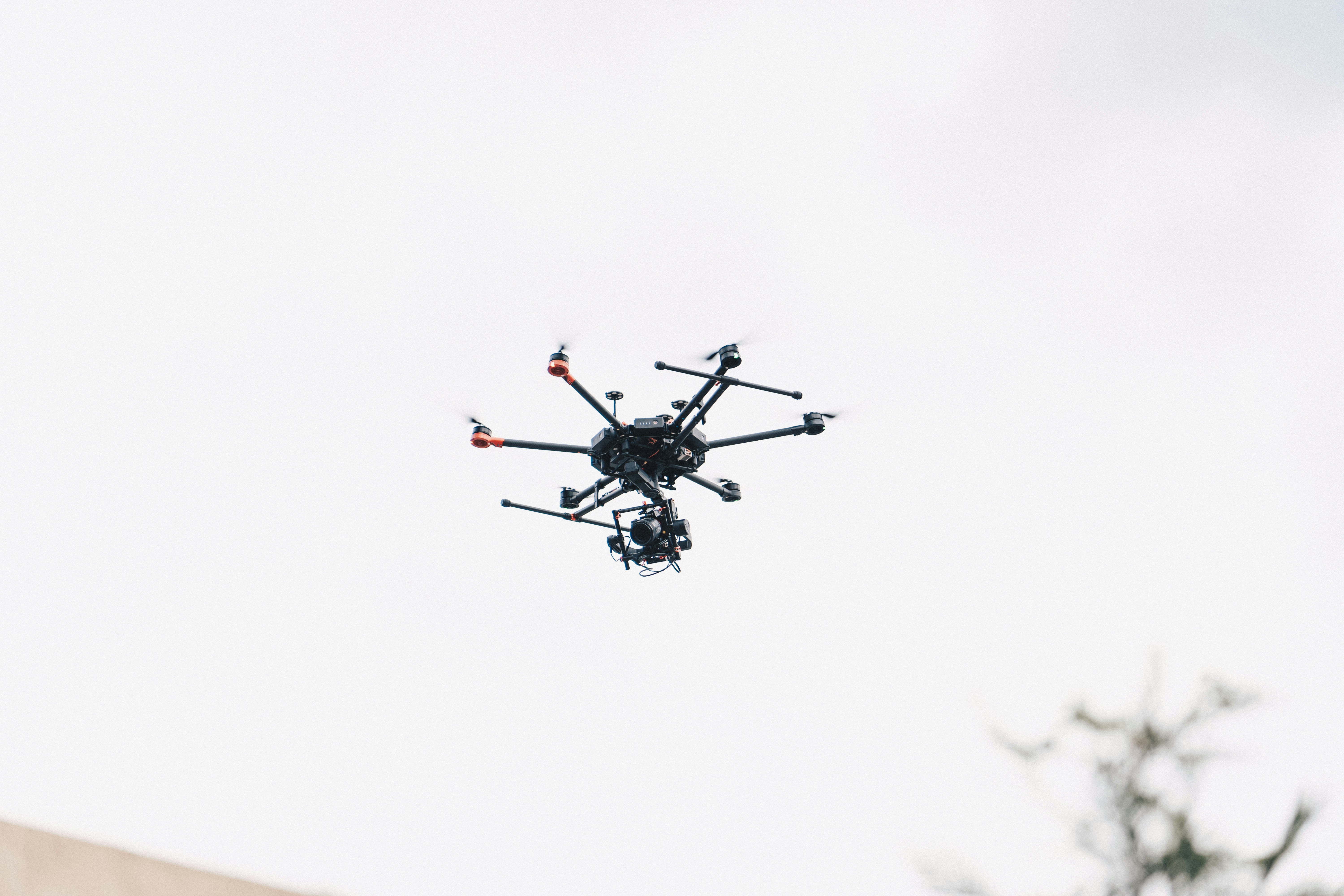
Introduction to Multi-Sensor Drones in ISR
In modern warfare and security operations, the need for precise and timely intelligence is paramount. Multi-sensor ISR (intelligence, surveillance, reconnaissance) drones have emerged as vital tools in addressing these demands. These advanced aerial platforms integrate various sensing technologies, enabling them to gather comprehensive data from the battlefield in real-time. By utilizing an array of sensors, including electro-optical (EO), infrared (IR), and other advanced methodologies, these systems provide military and defense agencies with the critical information necessary for informed decision-making.
The integration of different sensor types into a unified framework is what makes a multi-sensor ISR drone particularly powerful. The concept of sensor fusion UAV technology allows for the seamless combination of data collected from various sensors, enhancing the accuracy of reconnaissance operations. For instance, thermal imaging surveillance drones are capable of detecting targets at night or in low-visibility conditions, while EO sensors deliver high-resolution imagery during daylight with precision. When combined, these capabilities create a more complete situational awareness than any single sensor could provide.
The versatile applications of multi-sensor drones extend their utility beyond traditional military reconnaissance UAV roles. They are increasingly utilized in disaster response, border security, and environmental monitoring, showcasing their adaptability in diverse scenarios. Moreover, as the demand for tactical intelligence drone capabilities continues to grow, the emphasis on improved payload designs, such as laser rangefinder drones, is becoming evident. With advancements in technology, these platforms are becoming more compact and efficient, enabling operations in even the most challenging environments.
As we explore the various sensors integral to multi-sensor ISR capabilities, it is essential to recognize the transformative impact these systems have on modern military strategies, shaping the future of reconnaissance in complex operational landscapes.
Integration of Sensing Technologies
Multi-sensor ISR drones are equipped with various sensing technologies that significantly enhance their reconnaissance capabilities. The combination of electro-optical (EO) cameras, infrared (IR) thermal imaging, laser rangefinders, and radar sensors enables these platforms to provide comprehensive situational awareness on the battlefield. Each technology plays a vital role in gathering intelligence and obtaining actionable insights for military operations.
EO cameras are essential for capturing high-resolution imagery in visible light. They allow operators to identify and classify targets during the day. Their ability to provide detailed visual data makes them indispensable for tactical assessments within defense ISR platforms. Conversely, IR thermal imaging cameras excel in detecting heat signatures, making them increasingly vital during nighttime operations or in obscured environments. They can identify human presence and vehicles even in complete darkness, further strengthening the operational capacity of military reconnaissance UAVs.
Laser rangefinders are an essential addition to the multi-sensor ISR drone arsenal, providing accurate distance measurements. This data enhances the drone’s targeting capabilities and situational measurement, thus boosting effectiveness in tactical intelligence missions. In addition, radar sensors contribute a layer of detection and tracking that is unaffected by weather conditions or visibility issues, greatly complementing the data acquired by EO and IR systems.
The synergy of these technologies is best realized through sensor fusion. By integrating data from multiple sources, ISR drones can offer a unified picture of the operational environment, allowing for more informed decision-making. This fusion of capabilities not only strengthens the reliability of the reconnaissance drone payload but also increases the overall effectiveness of the ISR mission. The advancements in sensor fusion techniques continue to evolve, promising even more sophisticated and responsive military UAV systems that can adapt to varied operational challenges.
Advantages of Advanced Analysis and Real-Time Data Sharing
The implementation of multi-sensor ISR drones equipped with advanced analysis capabilities and real-time data sharing frameworks significantly enhances the efficiency of intelligence, surveillance, and reconnaissance missions. These advanced systems, such as the EO IR UAV system, utilize sophisticated algorithms that leverage artificial intelligence (AI) to process vast volumes of data collected by reconnaissance drone payloads. This processing ability allows for the rapid extraction of actionable intelligence, thus enabling military operators to make informed decisions quickly.
One of the primary advantages of employing AI in military reconnaissance UAV operations is its potential to identify patterns and anomalies in complex data sets. By integrating techniques like sensor fusion UAV technology, operators can gain a comprehensive understanding of situational dynamics, which might otherwise go unnoticed. For example, the combination of thermal imaging surveillance drone data with traditional optical imagery can reveal hidden threats, augmenting the overall tactical intelligence drone capabilities.
Moreover, real-time data sharing improves the decision-making process during critical moments. With laser rangefinder drones and thermal sensors providing continuous updates, operational teams can coordinate maneuvers and optimize their tactical responses dynamically. Such integration not only enhances support for on-ground units but also facilitates collaboration among various defense ISR platforms, ensuring that all stakeholders have access to the latest intelligence.
In scenarios where swift reactions are paramount, the impact of real-time data transmission becomes even more pronounced. Consider a situation where a recon mission identifies hostile activity within seconds due to the capabilities of a multi-sensor ISR drone; immediate feedback can lead to a rapid operational response, reducing potential risks for personnel involved. This ability to act decisively greatly contributes to the success of military engagements.
Practical Applications and Procurement Considerations
Multi-sensor ISR drones have become pivotal tools across various operational environments, offering enhanced capabilities for a wide range of applications. In border monitoring, these reconnaissance drone payloads provide real-time visual data, facilitating the detection of unauthorized crossings and border incidents. Utilizing an EO IR UAV system allows for both daytime and nighttime surveillance, ensuring comprehensive monitoring capabilities. The integration of sensor fusion UAV technologies further enhances situational awareness, delivering actionable intelligence to ground units.
Coastal patrol missions similarly benefit from employing a tactical intelligence drone, which helps monitor illegal fishing, smuggling, and other maritime threats. The versatility of the multi-sensor ISR drone allows it to cover vast areas while providing high-definition imagery and thermal data through thermal imaging surveillance drones. This capability is critical for maritime security forces aiming to safeguard domestic waters and enforce regulatory compliance.
Infrastructure security is another realm where these drones excel. By deploying laser rangefinder drones equipped with advanced sensors, operators can conduct thorough inspections of critical facilities such as power plants, bridges, and airports. This proactive monitoring enables rapid incident response and helps maintain operational integrity. Furthermore, military reconnaissance UAV platforms leverage these multi-sensor features, allowing for precise mapping and area analysis, significantly reducing risks in combat zones.
When considering procurement of multi-sensor drone technology, buyers must prioritize modular payload designs. This flexibility allows for upgrades and adjustments based on emerging operational needs. Additionally, robust data integration capabilities are essential to combine diverse sensor outputs effectively. Lastly, ensuring mission adaptability is crucial, enabling the deployment of ISR platforms across different scenarios. By investing in these advanced capabilities, organizations can enhance their operational effectiveness and mission success rates.