
Understanding the Challenges of Harsh Environments
The operation of UAV systems in rugged environments presents a unique set of challenges that must be understood to ensure reliable performance. Various environmental factors such as wind resistance, temperature extremes, and the demands of long-duration missions can significantly impact the functionality of UAVs.
Wind resistance is one of the primary concerns when assessing a professional UAV platform’s operational capability in tough conditions. High winds can lead to control difficulties, instability, and potential loss of the UAV, particularly for smaller, less robust units. Therefore, a rugged UAV must be designed to withstand gusts and maintain stable flight, which often involves enhancing aerodynamics and employing more powerful propulsion systems.
Another major factor is temperature extremes. UAVs may operate in environments experiencing high heat during the day and frigid conditions at night, which can affect battery life and electronic components functioning. An all-weather UAV system must incorporate thermal protection strategies and select materials capable of resisting expansion and contraction without compromising the structural integrity. These adaptations are critical for ensuring battery performance remains optimally aligned with mission requirements.
Furthermore, prolonged missions require a long-endurance UAV that not only functions effectively over extended periods but also manages operational wear and tear. Factors such as dust, moisture, and temperature variations must be considered in the design and maintenance of these systems. Understanding these challenges allows engineers to refine their designs, leading to more resilient UAVs capable of delivering consistent performance in harsh environments.
Structural Robustness: Designing for Durability
As the demand for rugged UAV systems increases, particularly for applications in harsh environments, the importance of structural robustness in their design cannot be overstated. UAV systems that are intended for all-weather operations must be constructed using materials that provide strength while remaining lightweight. This balance is essential for maintaining flight efficiency and ensuring durability under a range of environmental conditions.
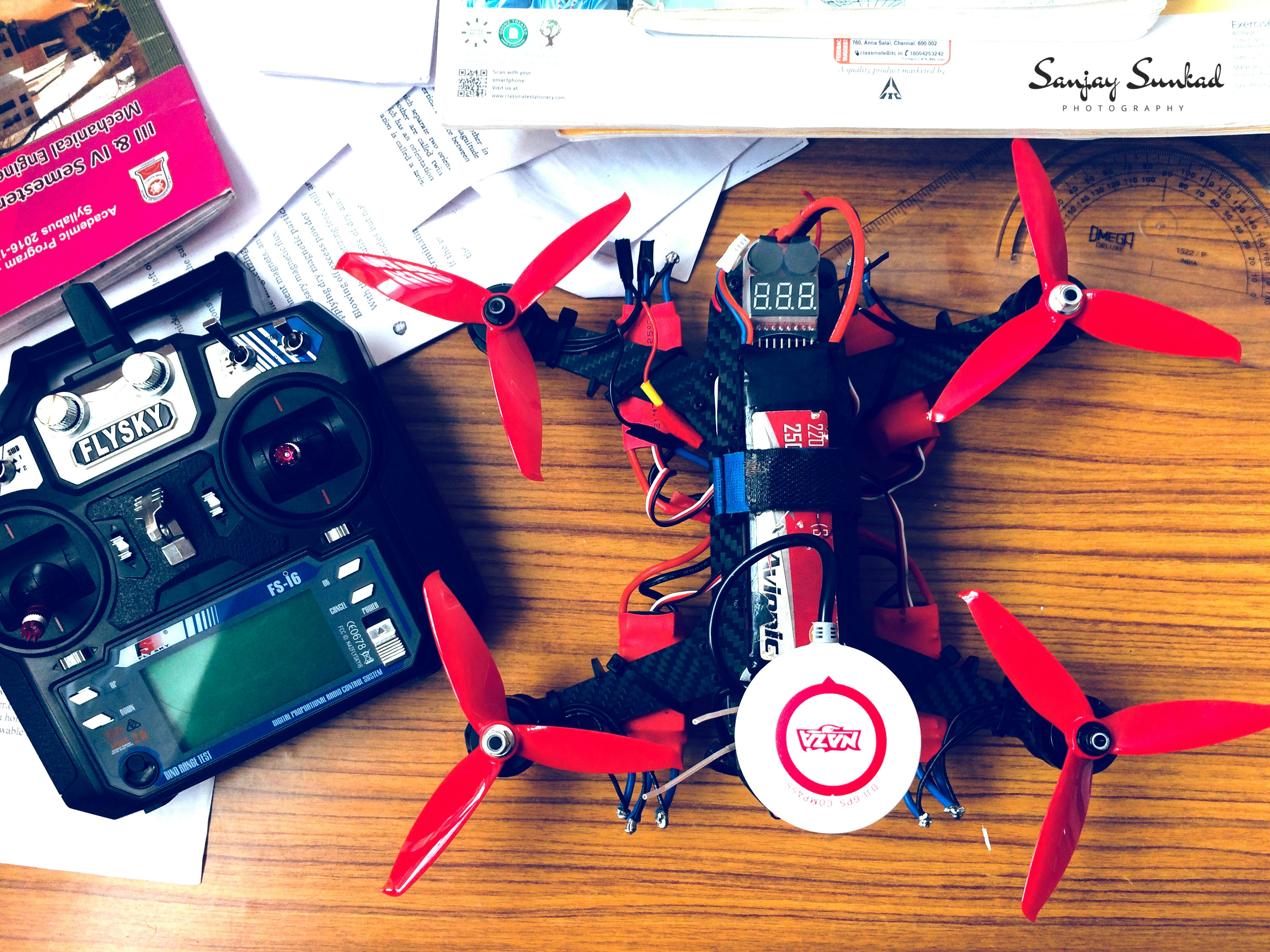
Incorporating advanced composite materials such as carbon fiber and reinforced plastics can significantly enhance the impact resistance and overall strength of a UAV platform. These materials not only contribute to the reduced weight of the aircraft but also improve its ability to withstand stressors such as high winds, temperature variations, and moisture exposure. Furthermore, employing stress testing during the design phase is crucial. By simulating the extreme conditions that a long-endurance UAV might face, engineers can identify potential weaknesses and fortify those areas before production.
The construction techniques employed also play a fundamental role in ensuring the structural integrity of a UAV for harsh environments. For instance, monocoque designs eliminate the need for heavy supporting structures, allowing the UAV to absorb forces without compromising on strength. Moreover, robust joining methods, such as laminated joints and advanced adhesives, can enhance the durability of the assembly, ensuring that the UAV maintains its structural integrity during challenging operations.
Real-world applications of these design principles can be seen in military and commercial sectors, where professional UAV platforms are deployed in emergencies or to conduct reconnaissance missions. The ability of these UAVs to endure challenging situations without fail showcases the effectiveness of rigorous design and testing processes aimed at achieving unparalleled durability.
Optimizing Power Systems for Long-Duration Missions
In the context of rugged UAV operations, effectively designing power systems is crucial for ensuring mission reliability and extending operational endurance. UAVs operating in harsh environments are often subjected to extreme temperatures, moisture, and varying altitudes, all of which can affect performance. Therefore, optimizing the power system is paramount for long-endurance UAV missions.
One critical aspect of power system design is the selection of appropriate battery technologies. Lithium polymer (LiPo) and lithium-ion batteries are commonly used due to their high energy density and lightweight characteristics. However, newer technologies, such as solid-state batteries, show promising potential for UAVs by offering increased safety and energy efficiency. The integration of advanced battery management systems is essential for monitoring battery health, maintaining optimal performance, and extending the lifespan of power sources.
Energy efficiency is another vital consideration for prolonging mission durations. Implementing energy-saving mechanisms throughout the UAV’s systems not only reduces power consumption but also enhances the overall reliability of the UAV platform. Techniques such as optimizing flight paths, utilizing efficient propulsion systems, and incorporating lightweight materials can significantly lower the energy needed for long-duration missions. For rugged UAV applications, these optimizations can be the difference between mission success and failure under challenging conditions.
Moreover, alternative power sources, including solar energy or hybrid systems, have emerged as viable options for improving the operational capabilities of UAVs. Solar panels can be integrated into UAV designs to harness energy during flight, allowing for virtually unlimited endurance on sunny days. Hybrid systems, which combine traditional fuel sources with electric propulsion, offer flexibility and adaptability, making them ideal for a rugged UAV deployed in unpredictable environments.
In conclusion, optimizing power systems is essential for ensuring the reliability and effectiveness of UAVs functioning in harsh settings. By focusing on advanced battery technology, enhancing energy efficiency, and exploring alternative power solutions, developers can create robust UAVs capable of enduring lengthy missions and adverse conditions.
Enhancing Sensor Reliability in Complex Operations
Sensors play a pivotal role in the performance of rugged UAV platforms, particularly when facing adverse environmental conditions that characterize harsh operational settings. The reliability of these sensors directly influences the effectiveness of all-weather UAV systems, making the selection of appropriate sensor technology a critical consideration. When designing a UAV for harsh environments, one must consider various factors including temperature variations, humidity, and exposure to dust or corrosive elements. Choosing sensors that can endure extreme conditions is essential for maximizing the operational capability of a long-endurance UAV.
These sensors must be protected not only from environmental factors but also from mechanical vibrations and electrical interference commonly encountered during complex missions. The integration of protective housings can provide the necessary shielding, while advanced materials and coatings can enhance durability. For instance, some professional UAV platforms employ conformal coatings and moisture-resistant enclosures, ensuring that sensors remain functional even in the most demanding conditions.
Recent advancements in sensor technology further contribute to the reliability of UAVs deployed in harsh environments. Innovations such as improved gyroscopes, GPS modules, and thermal imaging sensors allow for enhanced data acquisition and situational awareness. Leveraging these technologies can lead to more precise navigation and target identification, which is crucial in complex operations. Case studies illustrate these benefits: a rugged UAV equipped with advanced multispectral sensors successfully carried out agricultural monitoring in volatile weather, showcasing the importance of sensor adaptation to environment.
This demonstrates that by prioritizing sensor reliability and integration, UAVs can achieve significant operational success in challenging environments. The advancements in sensor technology and their tailored designs for durability not only improve performance but also expand the scope of missions that rugged UAV systems can undertake.